Politics · India Bureau
Majority of India's gig workforce remains outside government safety net
Despite rising registrations on the e-Shram portal, coverage of India's informal workforce remains patchy and uneven across states, leaving most gig workers without formal social protection.
LSN India ·
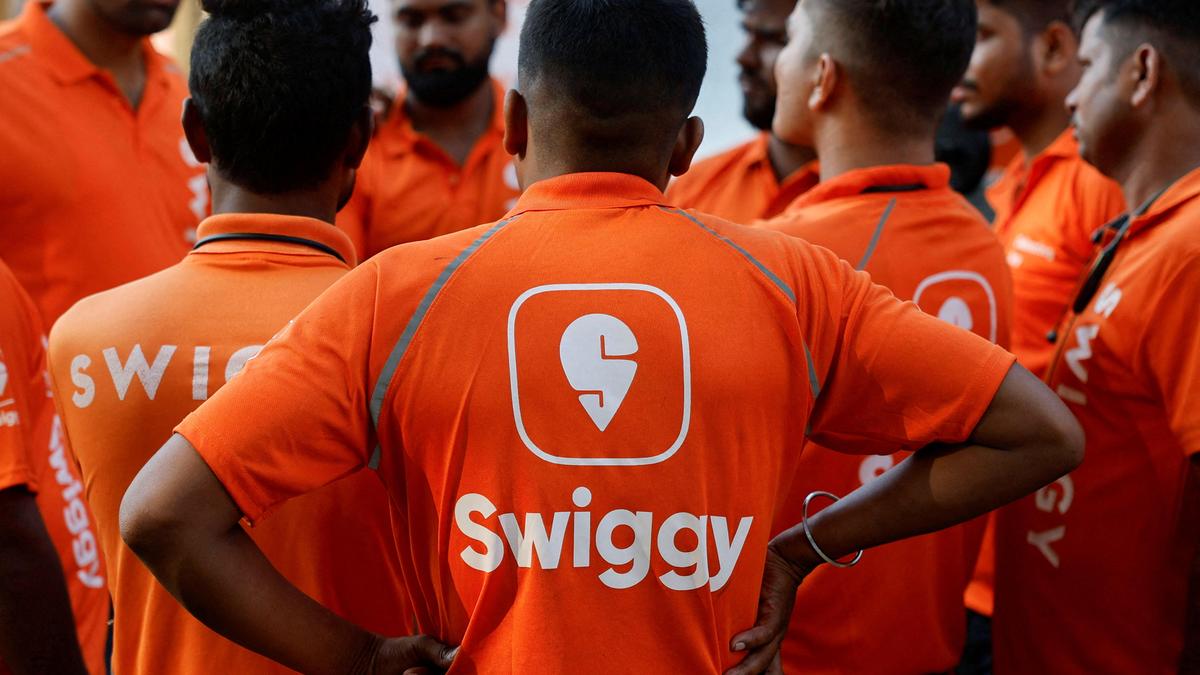
India's vast gig economy continues to operate largely beyond the reach of government oversight and social security schemes, even as enrolment on the e-Shram portal—the primary platform for registering unorganized workers—has grown in recent years.
While the number of gig workers registering on the e-Shram portal has increased, the expansion has been neither uniform nor comprehensive across states. Several regions lag significantly in bringing their informal workforce into the formal system, creating a fragmented landscape of coverage that leaves millions of independent contractors, delivery personnel, and casual labourers without access to government welfare schemes.
The uneven distribution of registrations underscores persistent challenges in reaching India's decentralized gig workforce. Geographic disparities in digital literacy, internet connectivity, and awareness campaigns have hindered uniform adoption across the country, with some states achieving higher enrolment rates than others.
Experts note that the gap between registrations and actual coverage reflects deeper structural issues in formalizing India's gig economy. Without comprehensive participation, gig workers remain vulnerable to economic shocks, lacking access to health insurance, pension schemes, and other social protections that formal enrolment would provide.
As India's gig sector continues to expand, bridging the registration gap remains critical for policymakers seeking to extend meaningful social security coverage to the nation's rapidly growing informal workforce.