World · India Bureau
Majority of Indian merchants resist charges on high-value UPI transactions
A survey reveals significant merchant resistance to merchant discount rates on UPI payments, with four in ten traders unwilling to accept any fee on transactions above ₹2,000. Only a small fraction of merchants would accept charges of 0.3% or higher.
LSN India ·
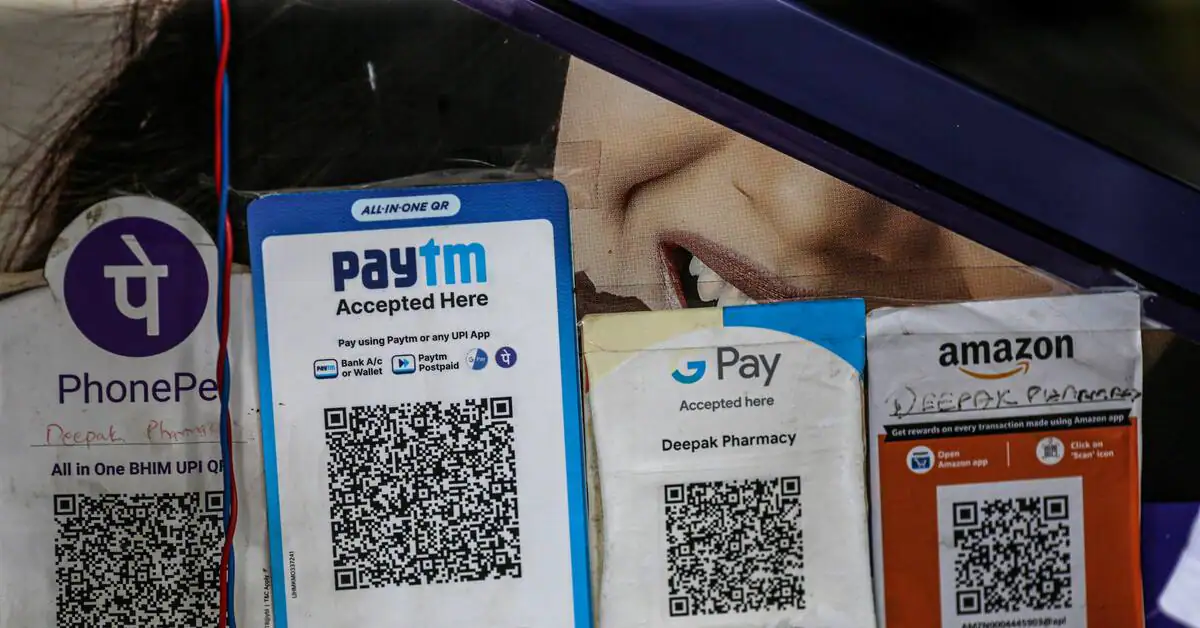
A substantial portion of India's merchant community opposes bearing costs on Unified Payments Interface transactions, according to findings from a recent survey. The study found that 41% of merchants are unwilling to accept any merchant discount rate (MDR) on UPI payments exceeding ₹2,000, signaling growing friction over digital payment fees in the retail sector.
The resistance to MDR charges reflects broader concerns among merchants about eroding margins in an increasingly digital payment landscape. As UPI adoption accelerates across India's retail ecosystem, merchants face mounting pressure to accept digital payments while absorbing associated costs. The survey indicates that acceptance of charges remains limited, with merely 17% of traders willing to bear an MDR of 0.3% or higher.
The findings underscore a key tension in India's digital payments infrastructure. While policymakers and payment platforms have championed UPI adoption for its efficiency and financial inclusion benefits, merchants remain concerned about the economic burden of transaction costs on smaller ticket sizes and larger purchases. The reluctance to accept MDR charges could influence future decisions by merchants regarding payment method promotion and acceptance policies.
These insights come as stakeholders across India's payments ecosystem continue debating the optimal fee structure for UPI transactions. The merchant perspective carries significance for platform operators and regulators considering policies that balance digital payment growth with the financial viability of retail commerce.