Politics · India Bureau
Make in India's 12-year track record shows mixed results on growth, jobs
A comprehensive assessment reveals that India's flagship manufacturing initiative has delivered uneven outcomes, with measurable gains confined largely to select sectors despite recent government incentive schemes.
LSN India ·
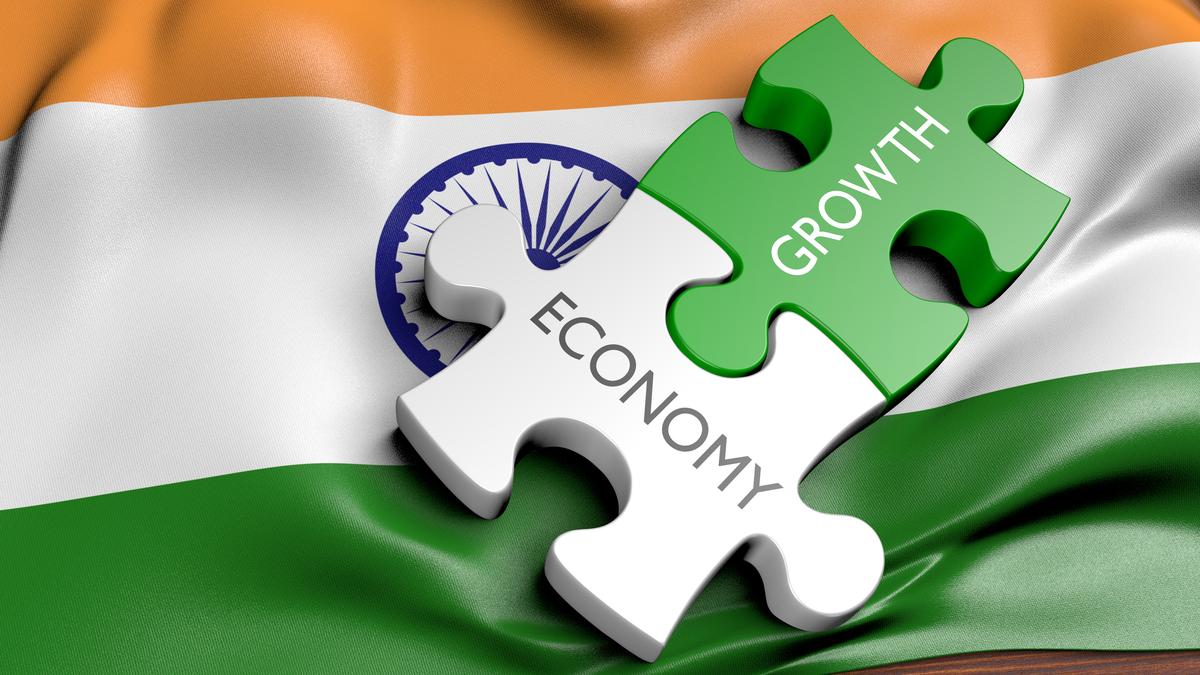
India's Make in India campaign, launched over a decade ago with ambitious goals to transform the nation into a global manufacturing hub, has produced mixed results across key economic metrics, according to available data on growth trajectories, employment generation, and India's standing in international trade.
While the government's recent production-linked incentive schemes have generated momentum in specific industries, the broader initiative has failed to substantially elevate India's overall manufacturing output or significantly expand its world trade share. Employment creation through the programme has similarly lagged expectations, with job generation concentrated in a limited range of sectors rather than spreading across the industrial spectrum.
The programme's impact on gross domestic product growth has been modest relative to its initial objectives. Though certain high-priority sectors—particularly electronics and pharmaceuticals—have witnessed capacity expansion and increased foreign investment inflows, these success stories represent islands of progress in an otherwise uneven landscape.
Analysts note that structural challenges including infrastructure deficiencies, regulatory complexity, and skills shortages continue to constrain broader manufacturing expansion. The concentration of benefits within select sectors suggests that scaling benefits across the entire manufacturing ecosystem remains a significant challenge for policymakers seeking to realise the initiative's transformative potential.
Government officials have indicated that recent targeted incentive schemes represent refined approaches to addressing sector-specific constraints, though experts emphasise that sustained, economy-wide improvements would require more comprehensive reforms extending beyond financial incentives alone.