Politics · India Bureau
Malaria nets repurposed for fishing threaten African aquatic ecosystems
Insecticide-treated mosquito nets funded by global health initiatives are being increasingly diverted for fishing across Africa, posing a serious threat to fish stocks and fragile water ecosystems. The practice, driven by food-insecure communities seeking quick economic gains, raises urgent questions about balancing public health interventions with environmental sustainability.
LSN India ·
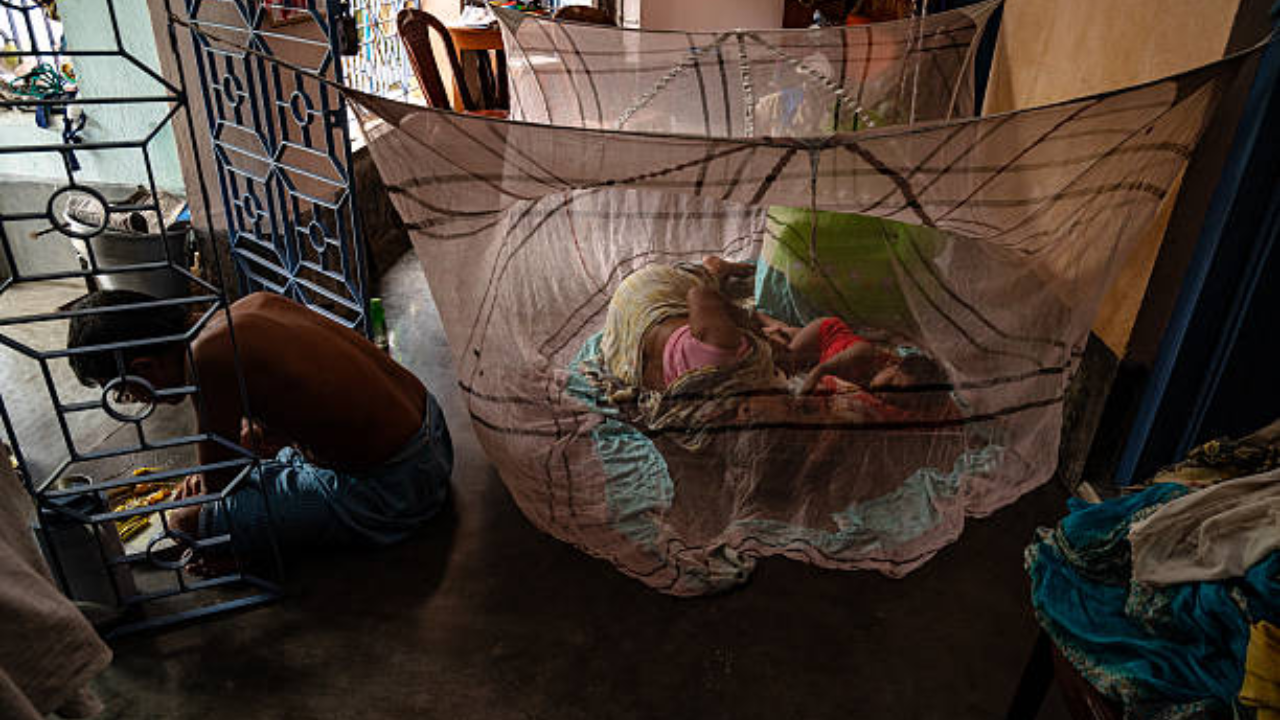
Across several African regions, a troubling trend has emerged as communities repurpose insecticide-treated nets distributed for malaria prevention into fishing equipment. The nets, intended to protect vulnerable populations from disease-carrying mosquitoes, are being converted into fishing tools that exploit aquatic resources with potentially catastrophic consequences for marine and freshwater ecosystems.
The practice reflects the desperation of food-insecure families seeking immediate livelihood solutions. By converting mosquito nets into fishing apparatus, communities gain access to a readily available tool for catching fish. However, the insecticides coating these nets—designed to kill disease vectors—pose significant risks to aquatic life, contaminating water bodies and disrupting delicate ecological balances that depend on healthy fish populations.
The diversion of health-focused resources highlights a complex development challenge. While the nets represent a critical investment in disease prevention, particularly for malaria control in vulnerable regions, their repurposing undermines both conservation goals and long-term food security. The chemical residues in the nets accumulate in aquatic ecosystems, threatening not only target species but entire food chains.
Experts emphasize that addressing this crisis requires integrated policy solutions. Effective interventions must combine robust distribution and monitoring systems for health nets with alternative livelihood programs for vulnerable communities. Without coordinated strategies that address both poverty and environmental conservation, the tension between immediate health gains and ecological sustainability will continue to compromise long-term development outcomes across the continent.