World · Malaysia Bureau
Malay language bridges ethnic divides across East Malaysia
The Malay language serves as a unifying force in East Malaysia, functioning as the primary lingua franca across diverse communities. High intermarriage rates further reinforce linguistic and social cohesion in the region.
LSN Malaysia ·
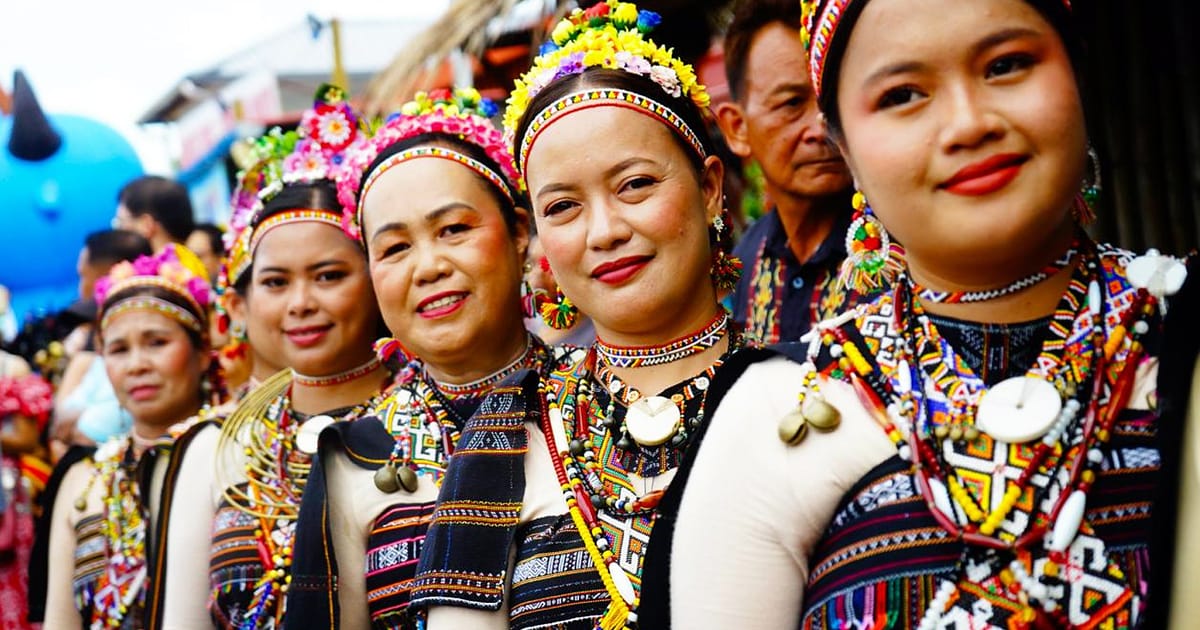
In East Malaysia, the Malay language transcends traditional ethnic boundaries, serving as a common medium of communication that binds together communities from different cultural backgrounds. Whether in urban centers or rural areas, Malaysians across Sabah and Sarawak rely on the language as their primary means of daily interaction, creating a shared linguistic identity that supersedes ethnic distinctions.
The prevalence of Malay as a unifying tongue reflects deeper social dynamics in East Malaysia. Unlike some regions where language remains tied closely to ethnicity, the East Malaysian context demonstrates how linguistic adoption can foster genuine cross-cultural exchange and understanding among diverse populations.
Demographers have noted that intermarriage rates in East Malaysia significantly exceed those in other parts of the country, suggesting that linguistic unity and ethnic integration reinforce one another. As families from different backgrounds establish households together, the Malay language becomes embedded in their daily routines, further cementing its role as the region's essential bridge between communities.
This linguistic cohesion offers insights into how East Malaysia has managed to maintain social stability despite its ethnic diversity. The shared adoption of Malay as a common language has created practical pathways for cooperation in business, education, and civic life, demonstrating that language policy and social practice can work in concert to strengthen national unity.