World · Singapore Bureau
Malaysia braces for tourism hit as regional haze intensifies
As transboundary haze from Indonesia engulfs major Southeast Asian cities, Malaysia is preparing for a potential downturn in visitor arrivals. Kuala Lumpur, Singapore and Jakarta were ranked among the world's 10 most-polluted major cities on October 20, raising concerns about the impact on the region's tourism sector.
LSN Singapore ·
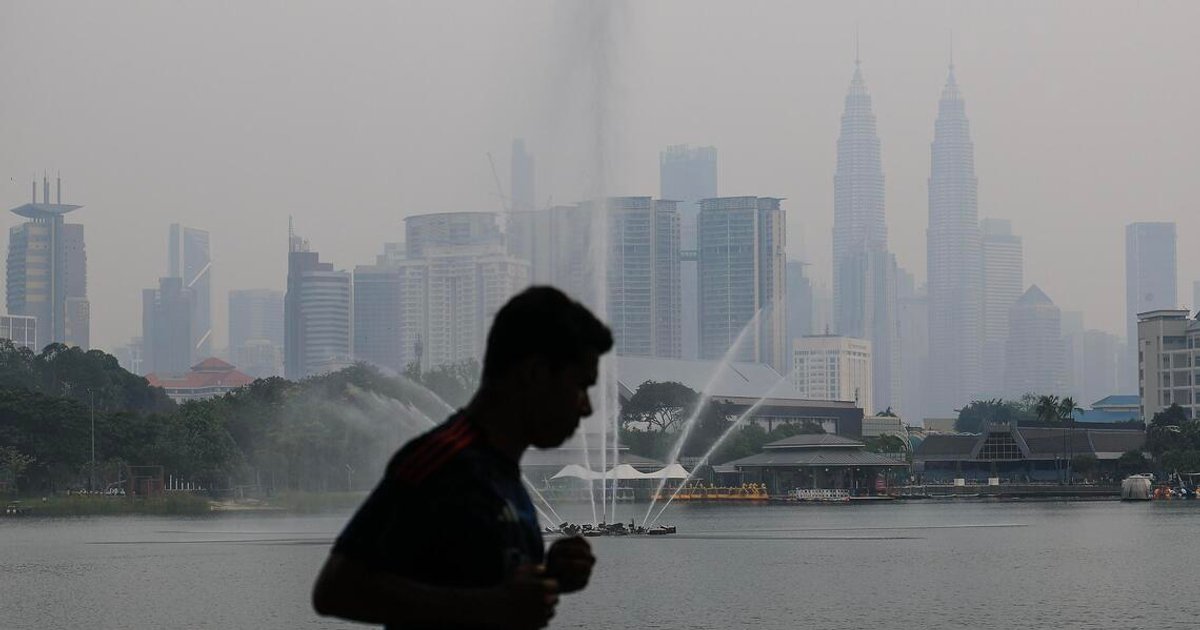
Malaysia is gearing up for potential disruptions to its tourism industry as hazardous air quality grips the region due to Indonesian forest fires and land-clearing activities. The transboundary pollution has pushed major cities across Southeast Asia into the world's worst-polluted rankings, with Kuala Lumpur, Singapore and Jakarta all appearing in the top 10 most-polluted cities globally as of October 20, according to air quality monitoring platform IQAir.
The deteriorating air quality threatens to deter visitors during what is typically a peak travel season for the region. Both leisure and business travellers are likely to reconsider trips to affected areas, potentially impacting hotels, attractions and related services that depend heavily on tourism revenue.
The haze, a recurring seasonal phenomenon in Southeast Asia, stems primarily from agricultural burning and forest clearing in Indonesia. The problem intensifies during the dry season, affecting neighbouring countries including Malaysia and Singapore, which have limited control over the pollution sources.
Malaysia's tourism industry, a significant contributor to the national economy, had been recovering following pandemic-related disruptions. The latest air quality crisis adds another layer of uncertainty for the sector as stakeholders await signs of improvement in atmospheric conditions across the region.