Technology · Malaysia Bureau
Malaysia charts AI and satellite use for improved disaster response
Malaysia is positioning itself to harness artificial intelligence and satellite networks to strengthen its disaster preparedness capabilities. The move signals a strategic shift toward technology-driven emergency management in the region.
LSN Malaysia ·
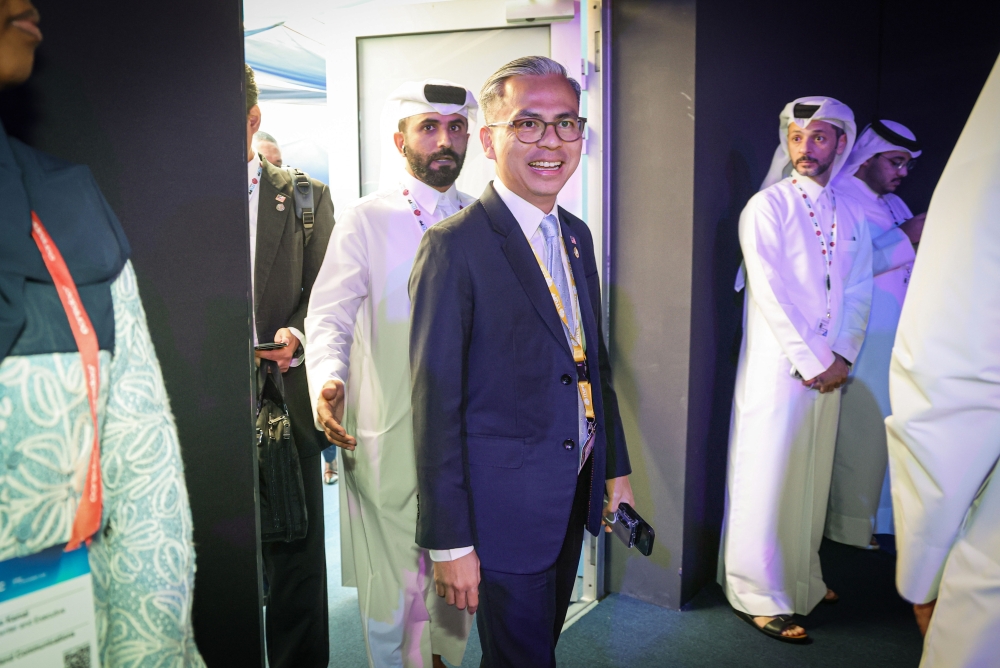
Malaysia is exploring the integration of artificial intelligence and satellite connectivity as key tools to enhance its disaster readiness and response mechanisms. The approach represents a significant opportunity for the country to modernize its emergency management infrastructure and better protect its population from natural disasters and other crises.
Satellite networks are expected to play a crucial role in providing real-time communication and data collection during emergencies, particularly in remote areas where traditional infrastructure may be compromised. These systems can support rapid damage assessment, coordination of relief efforts, and dissemination of critical information to affected communities.
Artificial intelligence technologies can process vast amounts of data to improve predictive modeling, early warning systems, and resource allocation during disasters. By analyzing patterns and trends, AI can assist authorities in anticipating potential hazards and optimizing emergency response operations.
The initiative reflects Malaysia's commitment to adopting advanced technologies for public safety and resilience. As the Southeast Asian region faces increasing climate-related risks and other challenges, such integrated systems could serve as a model for disaster management across the broader region and contribute to building more resilient communities.