World · Malaysia Bureau
Malaysia could learn from Singapore's long-term care insurance model
As Malaysia considers launching a national long-term care insurance scheme, policy experts suggest examining Singapore's approach to elderly care financing. The neighbouring city-state's experience offers valuable insights for designing a sustainable system for the region.
LSN Malaysia ·
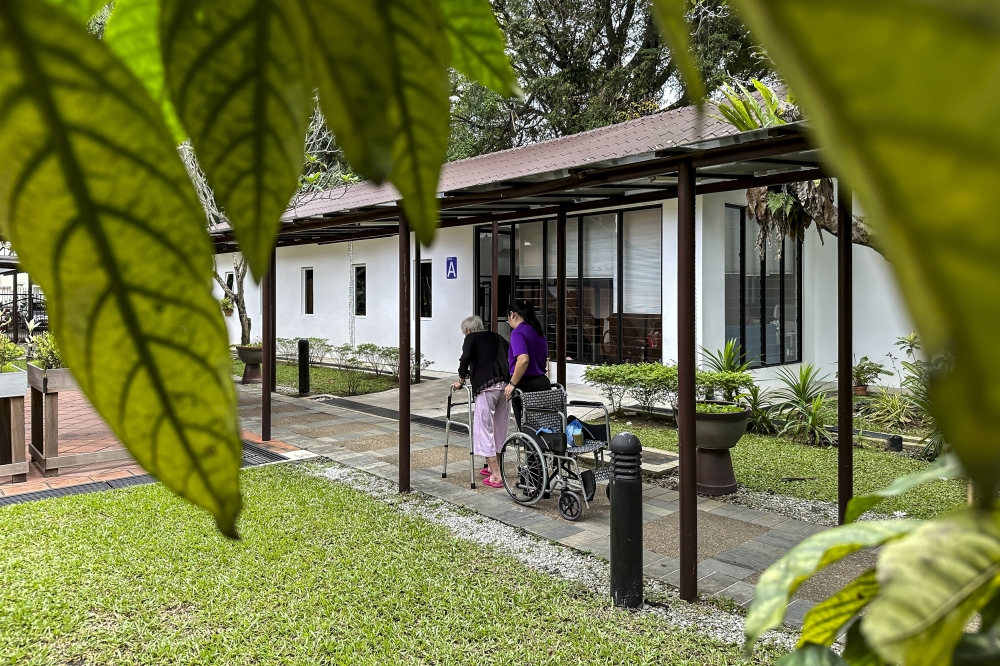
Malaysia is exploring the feasibility of introducing a dedicated long-term care insurance programme to address the growing needs of its ageing population. Such a scheme would provide financial protection for citizens requiring extended medical and custodial care, particularly among elderly residents facing rising healthcare costs.
Singapore's established long-term care framework presents a instructive case study for Malaysian policymakers. The city-state has implemented various mechanisms to fund elderly care, combining government subsidies, individual savings through mandatory schemes, and private insurance options. This multi-layered approach has helped Singapore manage the financial burden of an increasingly elderly demographic.
Key considerations for Malaysia include determining the appropriate coverage scope, establishing sustainable financing mechanisms, and setting affordable premium rates that remain accessible to lower and middle-income households. Singapore's experience demonstrates the importance of early planning, as delayed implementation of comprehensive care systems can create fiscal pressures on public budgets.
Experts also emphasise the need to develop adequate infrastructure and trained caregiving personnel to complement any insurance scheme. Beyond financing mechanisms, a successful long-term care system requires coordination between public and private healthcare providers to ensure quality services.
As Malaysia's population ages, establishing a robust long-term care insurance framework could reduce out-of-pocket expenses for families and create sustainable funding for elderly care services. Regional comparisons suggest that tailored solutions accounting for Malaysia's unique demographic and economic circumstances will be essential for programme success.