World · Malaysia Bureau
Malaysia deploys cloud seeding across peninsula and Sarawak amid haze
Authorities have conducted multiple cloud seeding operations to combat the effects of transboundary haze affecting Malaysian airspace. The intervention aims to increase rainfall and improve air quality across affected regions.
LSN Malaysia ·
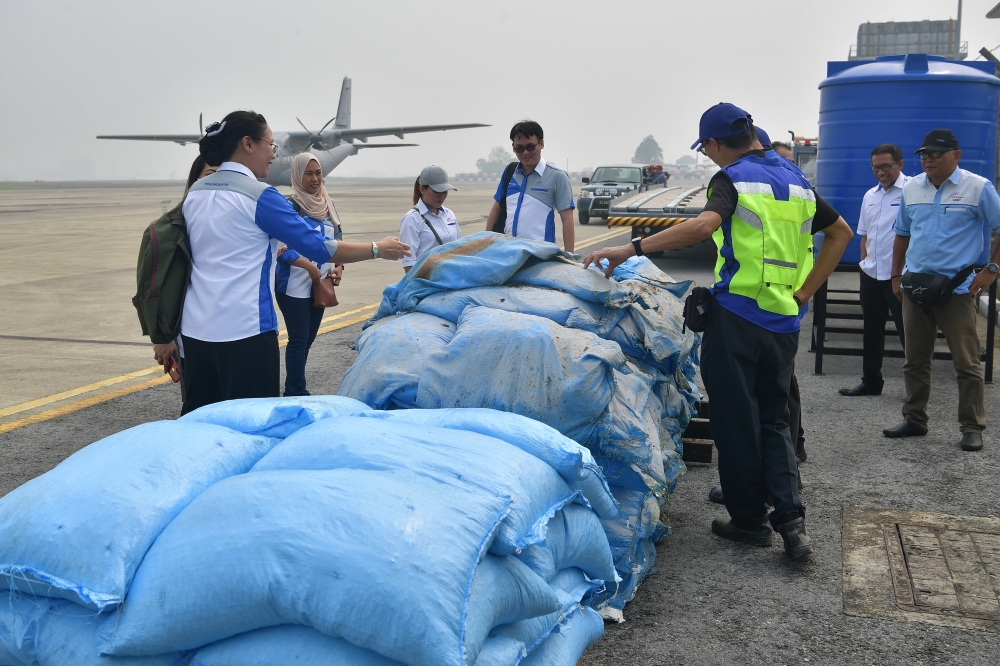
Cloud seeding operations have been executed across several locations in Peninsular Malaysia and Sarawak as part of efforts to mitigate the impact of transboundary haze blanketing the country. A total of 12 seeding missions were deployed in strategic areas to encourage cloud formation and precipitation, which helps clear airborne pollutants and particulate matter from the atmosphere.
The initiative represents a coordinated response by Malaysian agencies to address air quality deterioration caused by regional haze, which frequently affects the nation during certain seasons. By introducing silver iodide particles into cloud systems, the seeding process aims to enhance natural precipitation and accelerate the dispersal of haze particles.
The operations targeted both Peninsular Malaysia and Sarawak, regions most severely impacted by transboundary pollution. Authorities have continued monitoring air quality indices and atmospheric conditions to determine the effectiveness of the interventions and plan additional seeding missions as needed.
Transboundary haze remains a recurring environmental challenge for Malaysia, particularly affecting visibility, air quality, and public health. Cloud seeding has emerged as a complementary measure alongside diplomatic efforts and regional cooperation to address the root causes of seasonal haze events affecting South and Southeast Asia.