World · Malaysia Bureau
Malaysia develops five-day haze forecast model to combat transboundary pollution
Malaysia is introducing new predictive technology to provide advance warning of haze events, part of a broader strategy to tackle transboundary air pollution affecting the region. The five-day forecasting capability aims to enable more effective mitigation measures.
LSN Malaysia ·
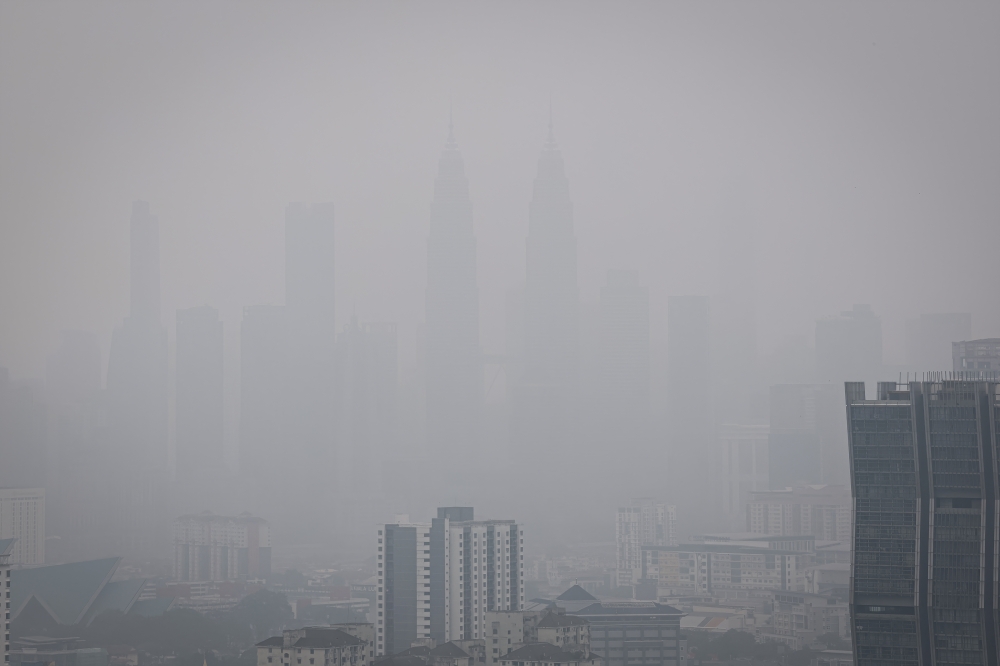
PUTRAJAYA — Malaysia will deploy an enhanced haze forecasting system designed to provide five days' advance notice of air quality deterioration caused by transboundary pollution, authorities announced this week.
The new predictive model represents a significant upgrade to Malaysia's existing air quality monitoring capabilities, allowing environmental agencies and health authorities to prepare preventive measures before haze events impact populated areas. The system integrates satellite data, atmospheric modeling, and regional wind pattern analysis to improve forecast accuracy.
The initiative is part of a comprehensive strategy to address recurrent haze episodes that have affected Malaysia and neighbouring countries, particularly during dry seasons. By enabling early warning protocols, the model will facilitate coordinated responses including public health advisories, industrial emission controls, and cross-border coordination with affected nations.
Environmental officials emphasised that the forecasting tool complements existing air quality management frameworks while strengthening regional cooperation on transboundary pollution. The system's deployment underscores Malaysia's commitment to protecting public health and environmental quality amid growing air quality challenges in Southeast Asia.