Politics · Malaysia Bureau
Malaysia headed for hung parliament as coalition politics fractures
Political analysts predict the next general election will produce a fractured parliament with no clear majority, forcing complex coalition negotiations among rivals and former allies.
LSN Malaysia ·
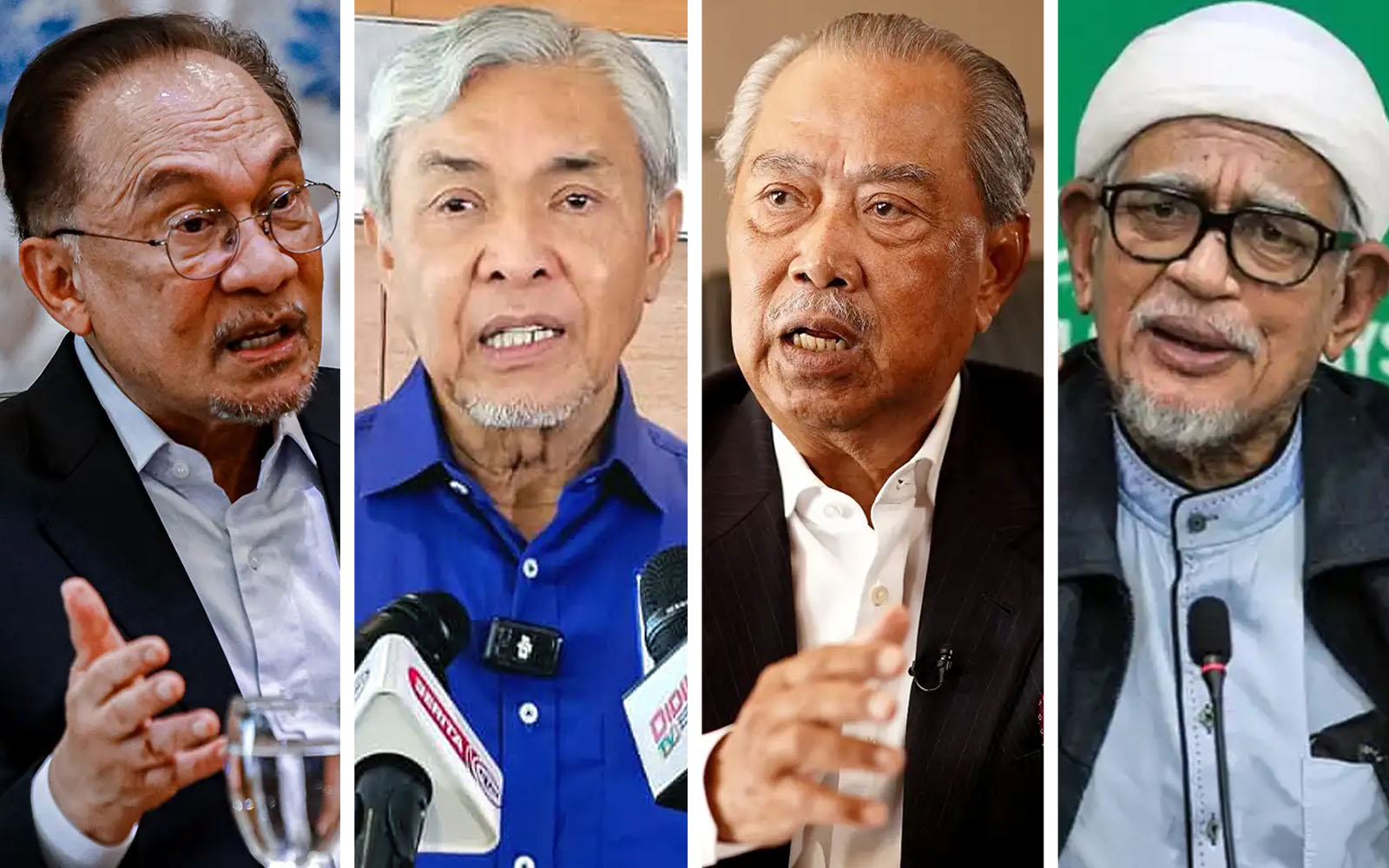
Malaysia's political landscape is increasingly fragmented as the country approaches its next general election, with multiple sources suggesting the emergence of a hung parliament is now the most likely outcome.
The traditional two-bloc system that has defined Malaysian politics for decades has given way to a more complex multi-party environment. Former coalition partners have splintered into competing factions, while regional powerbrokers hold disproportionate influence over potential post-election alliances. This shift reflects deeper divisions within established parties and the rise of smaller political entities capable of swinging parliamentary outcomes.
The prospect of a hung parliament would force Malaysia into uncharted political territory, requiring extensive negotiations between parties with conflicting agendas. Historical allies may find themselves negotiating against each other, while political rivals could be forced into unexpected partnerships to secure a parliamentary majority. Such arrangements would likely produce unstable governments dependent on the continued support of smaller coalition members.
Political observers note that this fragmentation reflects broader shifts in Malaysian voter behaviour and party dynamics. The erosion of monolithic party structures has created space for new political actors while weakening the traditional power bases that once guaranteed clear electoral outcomes.
The implications for governance are significant, as any resulting administration would face challenges in implementing long-term policy initiatives while managing competing interests within an unstable coalition arrangement.