World · Singapore Bureau
Malaysia, Indonesia chart joint approach to combat transboundary haze
The two neighbouring nations are developing a memorandum of understanding to strengthen regional cooperation on air quality management. The initiative aims to enhance data sharing on fire hotspots and coordinate responses in high-risk areas.
LSN Singapore ·
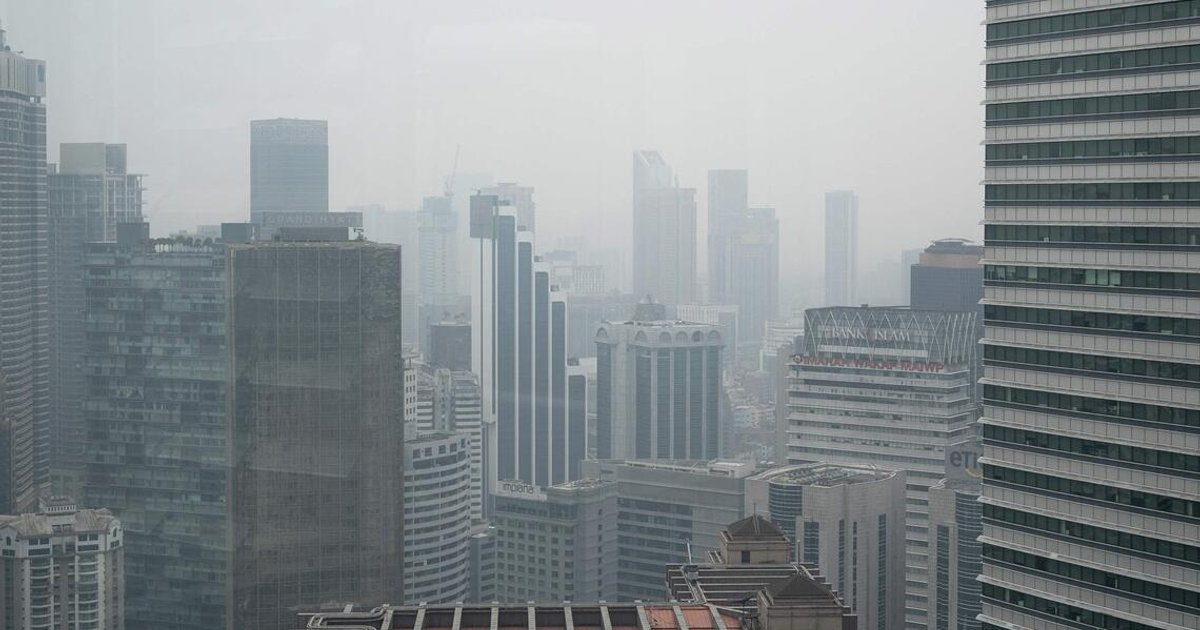
Malaysia and Indonesia are advancing discussions on a memorandum of understanding to address the recurring transboundary haze that affects much of Southeast Asia, including Singapore.
Under the proposed framework, the two countries would establish mechanisms for real-time sharing of fire hotspot monitoring data and coordinate management efforts in vulnerable regions prone to peatland and forest fires. Such cooperation could provide early warning systems and facilitate faster response times when fire activity threatens air quality across the region.
Transboundary haze from land clearing and agricultural burning in Indonesia has repeatedly impacted air quality in neighbouring countries, with Singapore frequently experiencing hazardous pollution levels during peak seasons. The issue has prompted calls for stronger bilateral and multilateral action to prevent fires at their source.
The proposed MoU represents a step toward operationalizing existing regional commitments, though implementation details and enforcement mechanisms remain under discussion. Success would likely depend on sustained political will and adequate resources for monitoring and suppression activities across both nations.
Regional observers suggest that expanded cooperation between Malaysia and Indonesia could serve as a model for broader ASEAN-level initiatives on transboundary pollution, addressing environmental concerns that transcend national borders.