World · World News Bureau
Malaysia moves forward with Rohingya repatriation amid safety concerns
Kuala Lumpur is proceeding with a plan to return Rohingya refugees to Myanmar, framing the initiative as a voluntary process. However, international observers and rights groups have raised serious questions about the safety and feasibility of the repatriation effort.
LSN World News ·
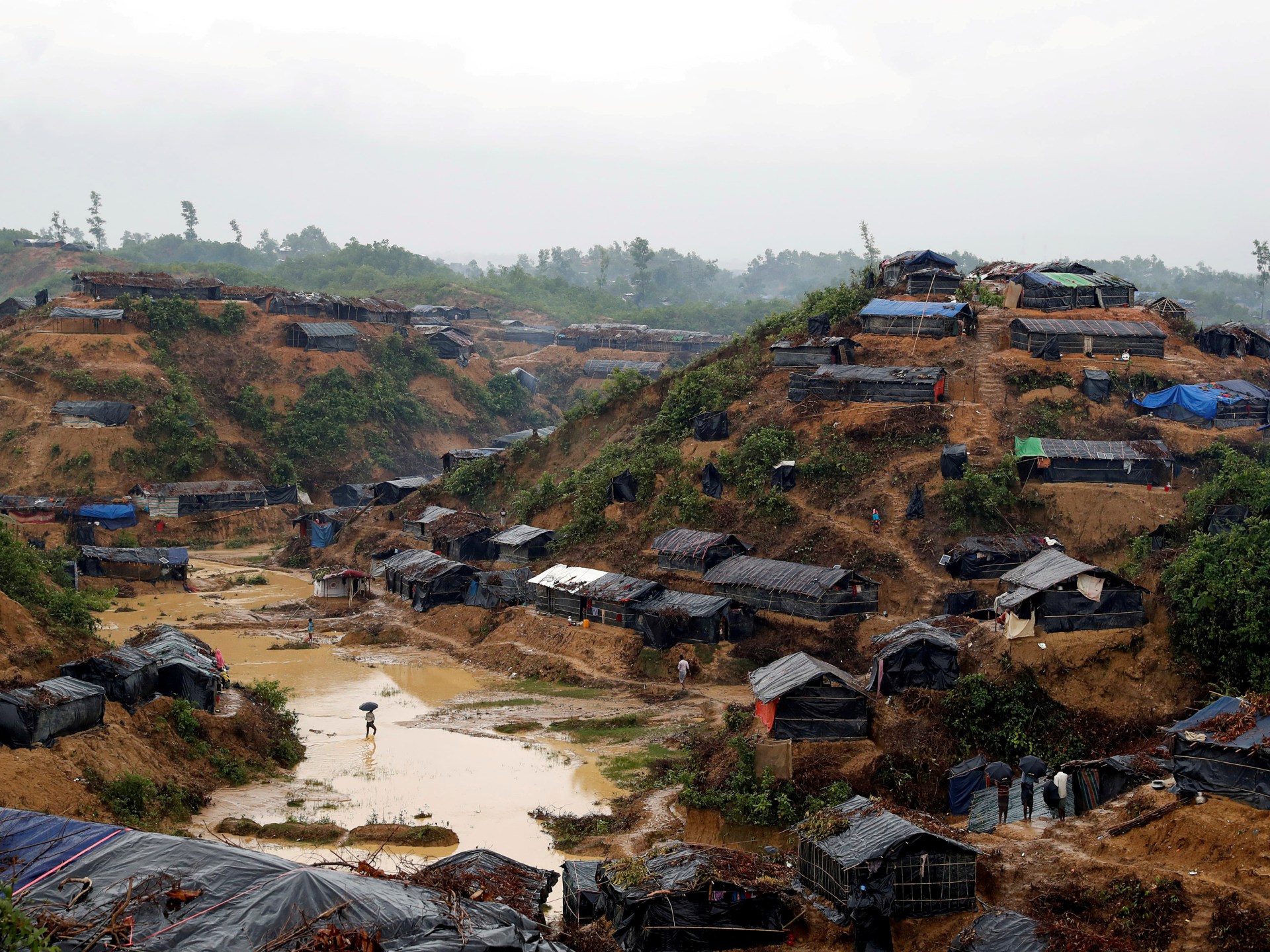
Malaysia, which hosts one of the world's largest Rohingya populations, has initiated a repatriation program aimed at returning members of the stateless minority group to Myanmar, despite the precarious security situation in their homeland. Malaysian authorities have characterized the process as voluntary, allowing individual refugees to decide whether to participate in the transfers back to Myanmar's Rakhine State.
The repatriation effort reflects Malaysia's longstanding desire to reduce the burden of hosting approximately 180,000 registered Rohingya refugees, along with tens of thousands more undocumented arrivals. The country has struggled to manage the humanitarian and economic challenges posed by such a large displaced population, straining public services and creating tensions within local communities.
However, the initiative has drawn criticism from humanitarian organizations and the international community, which point to ongoing instability in Myanmar and the absence of adequate protections for returnees. Concerns center on whether the conditions in Myanmar have sufficiently improved to ensure the safety of Rohingya populations, particularly given the military's previous crackdown that prompted the mass exodus to Bangladesh and Malaysia beginning in 2017.
Until Myanmar establishes demonstrable improvements in security, minority protections, and infrastructure to receive returning refugees, questions will likely persist about whether repatriation can proceed safely. The success of Malaysia's initiative may depend on the international community's assessment of conditions on the ground and Myanmar's commitment to creating an environment conducive to the sustainable return of the Rohingya population.