Politics · Malaysia Bureau
Malaysia must choose between GST and SST, experts warn
Policy analysts argue the government should select one sales tax system with a proven track record rather than combining both approaches. The choice must balance revenue needs with household financial pressures.
LSN Malaysia ·
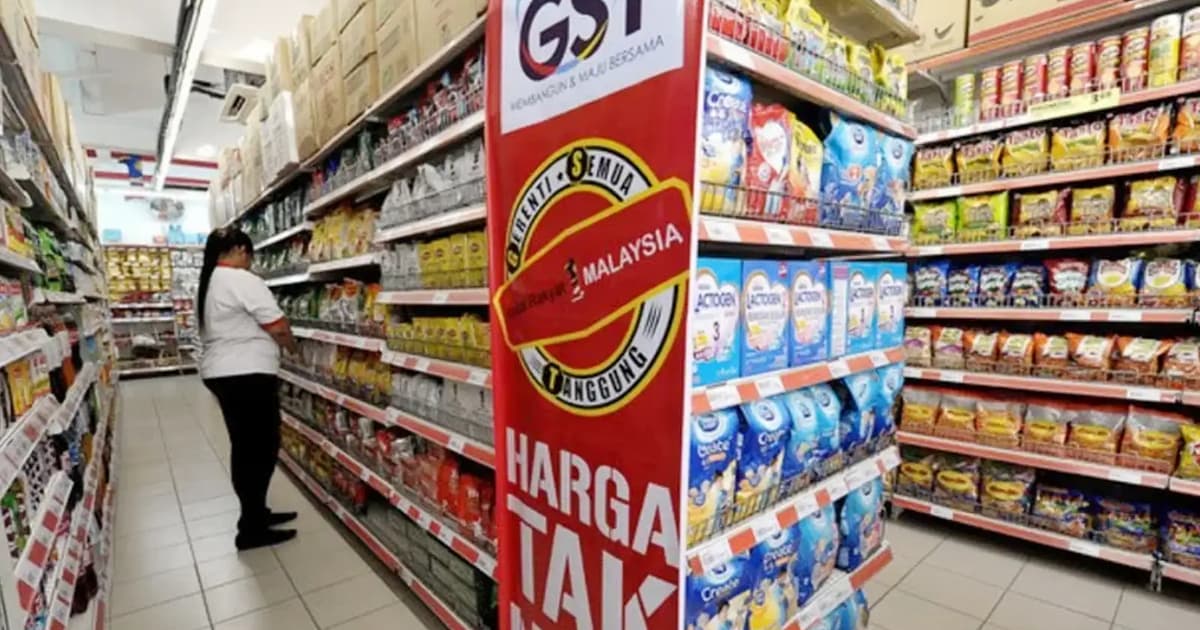
Malaysia faces a critical decision on its sales taxation framework, with experts cautioning against merging the Goods and Services Tax (GST) and Sales and Service Tax (SST) into a hybrid system.
The debate centres on which taxation model offers stronger implementation outcomes and greater revenue reliability. GST, a value-added tax system, and SST, a point-of-sale tax, operate on fundamentally different principles, and combining them could create administrative complexity while failing to deliver the intended benefits of either approach.
Policymakers must prioritise selecting the system with the most tangible track record of success, according to economic analysts monitoring the issue. The chosen framework should be structured to minimise the financial strain on Malaysian households while simultaneously strengthening the government's revenue collection capacity.
The decision carries significant implications for economic planning, business compliance costs, and consumer purchasing power. Officials will need to weigh short-term implementation challenges against long-term fiscal sustainability as they evaluate which single-system approach best serves the nation's economic interests and social objectives.
Experts emphasise that clarity and consistency in tax policy are essential for both government revenue targets and business planning across Malaysia's economy.