Technology · Singapore Bureau
Malaysia restricts Waze use among civil servants over surveillance concerns
Malaysia's government has moved to limit civil servant access to the popular navigation app Waze, citing national security risks from foreign digital surveillance. The ban is part of a broader push to encourage adoption of locally-developed alternatives.
LSN Singapore ·
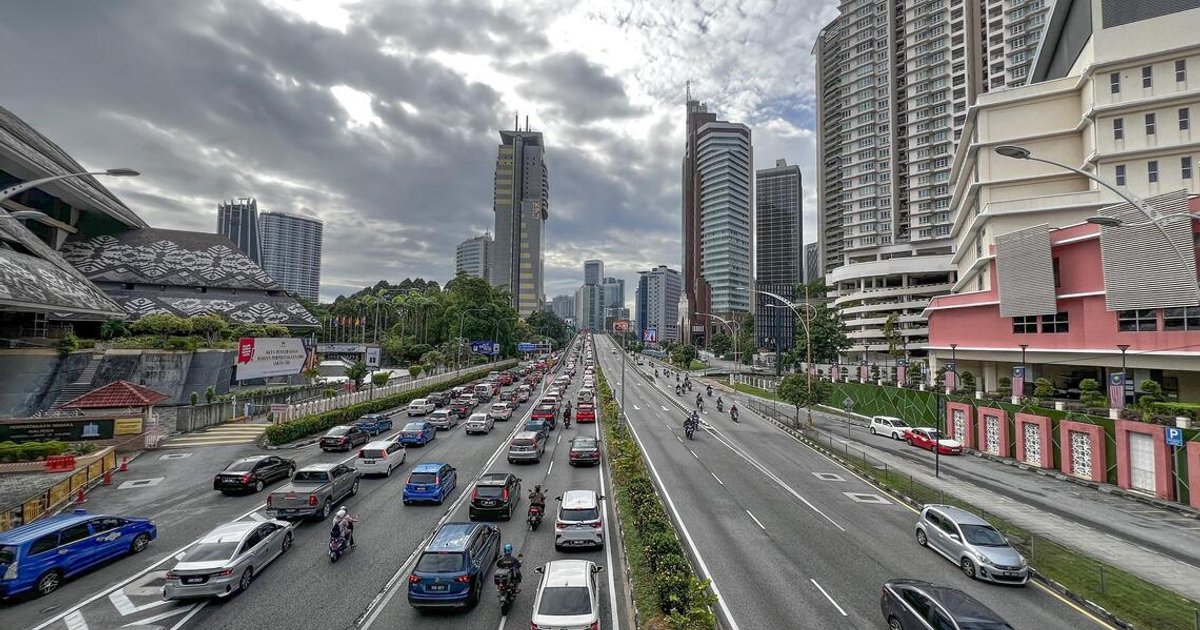
Malaysia has implemented restrictions on the use of Waze among its civil service workforce, marking an escalation in the country's efforts to mitigate potential security vulnerabilities associated with foreign-owned digital platforms. The decision reflects growing concerns within government circles about data collection practices and surveillance risks posed by international technology companies.
The ban applies to government employees and forms part of a coordinated strategy to transition users toward domestically-developed navigation solutions. TuJu, a Malaysian-created mapping and navigation application, has been positioned as a secure alternative that aligns with national security objectives.
The move underscores broader regional anxieties about digital sovereignty and data protection in Southeast Asia. Several governments across the region have increasingly scrutinized foreign technology platforms, particularly those collecting location data and personal information from users.
Official guidance suggests Malaysian citizens may similarly consider switching to local alternatives, though such recommendations appear primarily directed at government personnel at this stage. The initiative reflects a wider trend of countries seeking to reduce dependence on foreign digital infrastructure while building domestic technological capabilities.
Malaysia joins other nations in the region implementing comparable restrictions on foreign technology platforms within government operations, as policymakers seek to balance digital innovation with national security considerations.