World · Malaysia Bureau
Malaysia's F1 Event Must Generate RM950 Million to Justify Recurring Costs
Economic and tourism experts say hosting Formula 1 races annually is only financially viable if foreign visitor spending significantly exceeds event expenditure. Authorities are examining revenue generation models to ensure the motorsport event delivers lasting economic benefits.
LSN Malaysia ·
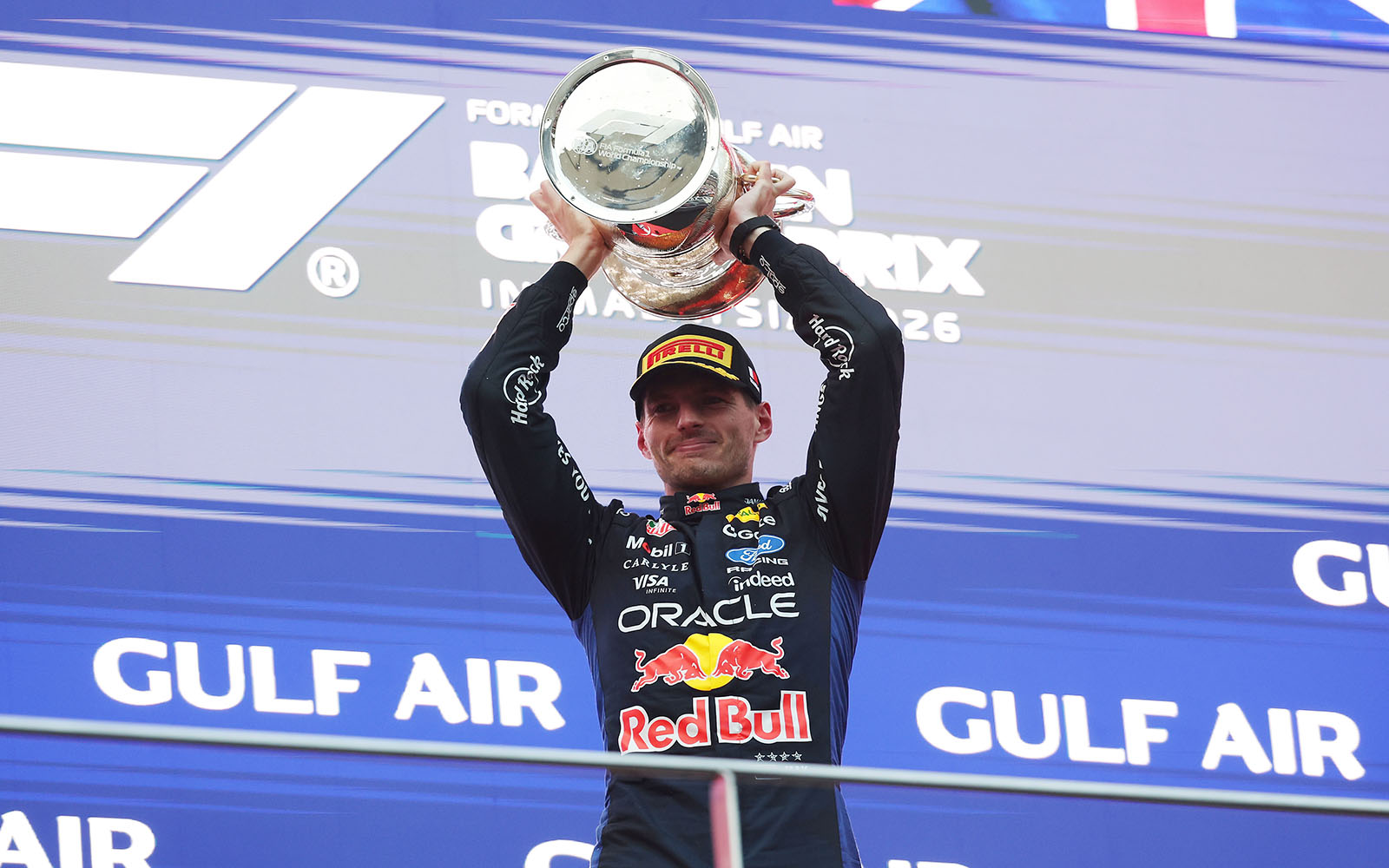
Economists and tourism specialists have outlined financial benchmarks that Malaysia must achieve for recurring Formula 1 events to prove economically sustainable. The analysis suggests that organising the prestigious motor racing championship on an annual basis requires careful scrutiny of income versus costs, particularly regarding international visitor expenditure.
Experts emphasise that foreign tourist spending should substantially outpace the financial outlay required to stage the event. This principle underscores the importance of maximising visitor numbers and ensuring high per-capita spending among international attendees during race weekends.
The RM950 million threshold cited by analysts represents a critical evaluation point for determining whether the event's economic returns justify recurring investments. Tourism authorities are examining various revenue streams, including hotel bookings, hospitality spending, retail purchases, and transport services that international visitors generate.
Local economists have stressed that sustainable event hosting requires transparent accounting of both direct and indirect economic benefits. This includes assessing employment creation, infrastructure development, and broader tourism promotion effects beyond the racing event itself.
Malaysia's motorsport sector views Formula 1 as a strategic platform for international promotion and economic growth. However, authorities acknowledge that continued hosting must demonstrate clear financial viability and measurable returns to justify the significant public and private sector investment required.