Politics · Singapore Bureau
Malaysia's haze crisis costs economy up to $15.72 million daily
Economic losses from regional haze could reach between RM600 million to RM1.5 billion monthly, according to estimates by Malaysian economists. The figures underscore the significant financial impact of transboundary air pollution on Southeast Asia's third-largest economy.
LSN Singapore ·
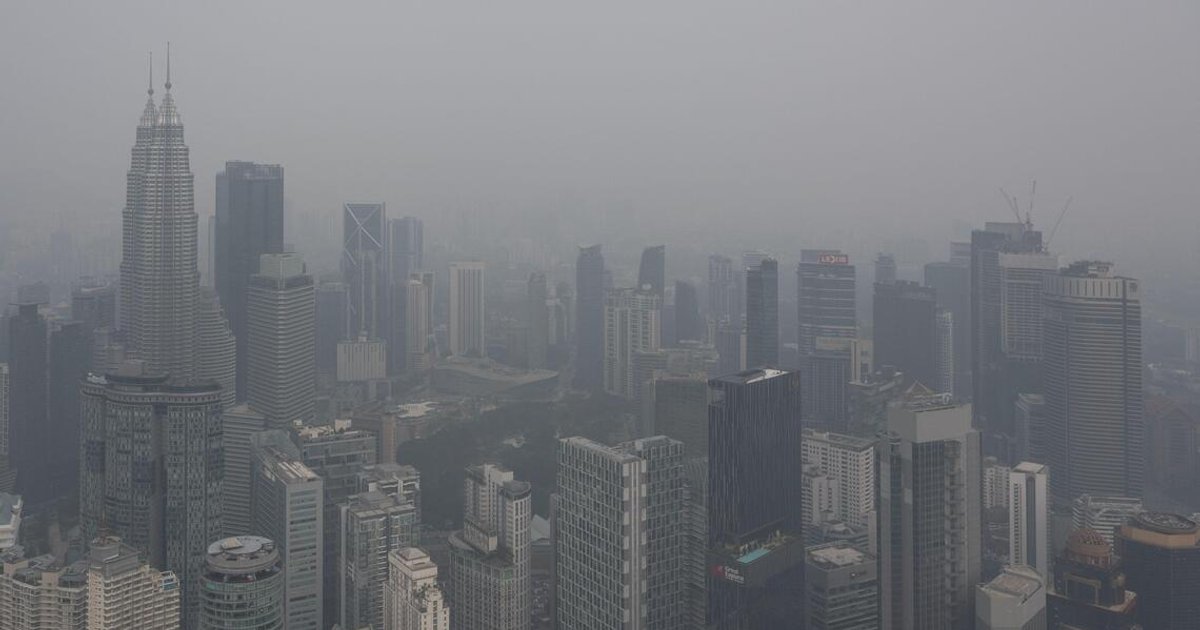
Malaysia is experiencing substantial economic losses due to haze affecting the region, with daily costs estimated at up to $15.72 million, according to analysis by local economists. The recurring air quality crisis, typically driven by agricultural burning in neighbouring Indonesia, continues to impose measurable strain on multiple economic sectors.
When extrapolated over a monthly period, the cumulative economic toll could potentially reach between RM600 million to RM1.5 billion, economists said. These figures encompass direct and indirect costs including productivity losses, healthcare expenditures, transportation disruptions, and impacts on tourism and foreign investment.
The haze crisis has become a persistent challenge for Malaysia and other Southeast Asian nations, with air quality occasionally reaching hazardous levels during peak burning seasons. Previous incidents have prompted health advisories, school closures, and affected international flight operations, compounding the economic damage.
The scale of estimated losses highlights the urgent need for regional cooperation to address transboundary air pollution. Malaysian authorities have previously engaged with Indonesian counterparts on mitigation measures, though the recurring nature of the crisis underscores the complexity of achieving sustainable solutions across borders.