Politics · Vietnam Bureau
Malaysia's haze crisis inflicts $1.9 billion economic toll, study finds
A new report estimates Malaysia's recent haze pollution crisis has caused nearly $2 billion in welfare losses and may have contributed to approximately 1,700 premature deaths across the country.
LSN Vietnam ·
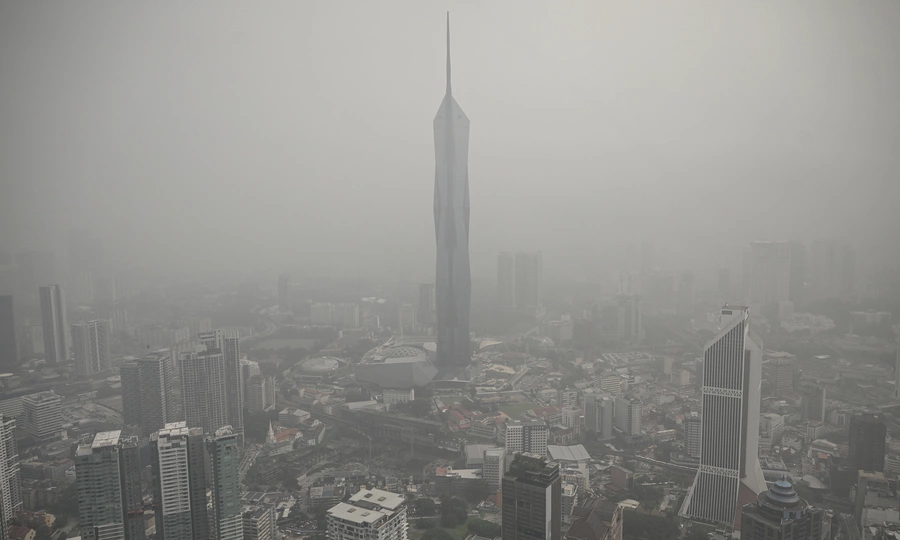
Malaysia is grappling with significant economic and health consequences from its latest haze pollution episode, according to newly released research. The crisis has generated an estimated RM8 billion (US$1.97 billion) in welfare losses, reflecting the widespread impact on the nation's economy and public health systems.
The study suggests the haze episode may have contributed to roughly 1,700 premature deaths, underscoring the serious health risks posed by transboundary air pollution. The figure encompasses both direct health impacts and broader welfare considerations affecting the population.
The report comes as Malaysia continues to face recurring haze challenges, typically driven by seasonal agricultural burning in neighboring countries, particularly during the dry season. These episodes have become a recurring environmental and public health concern for the region, prompting calls for stronger regional cooperation and enforcement measures.
The scale of economic losses encompasses healthcare costs, productivity losses, and other welfare impacts stemming from reduced air quality. Regional policymakers have increasingly emphasized the need for coordinated approaches to address the root causes of transboundary haze pollution affecting multiple Southeast Asian nations.