World · Singapore Bureau
Malaysia's outdoor workers face health crisis amid haze, minimal protections
As transboundary haze blankets Malaysia, outdoor workers continue labouring without adequate safeguards, exposing regulatory gaps in workplace health standards. Experts warn the situation underscores urgent need for stronger protections during air quality emergencies.
LSN Singapore ·
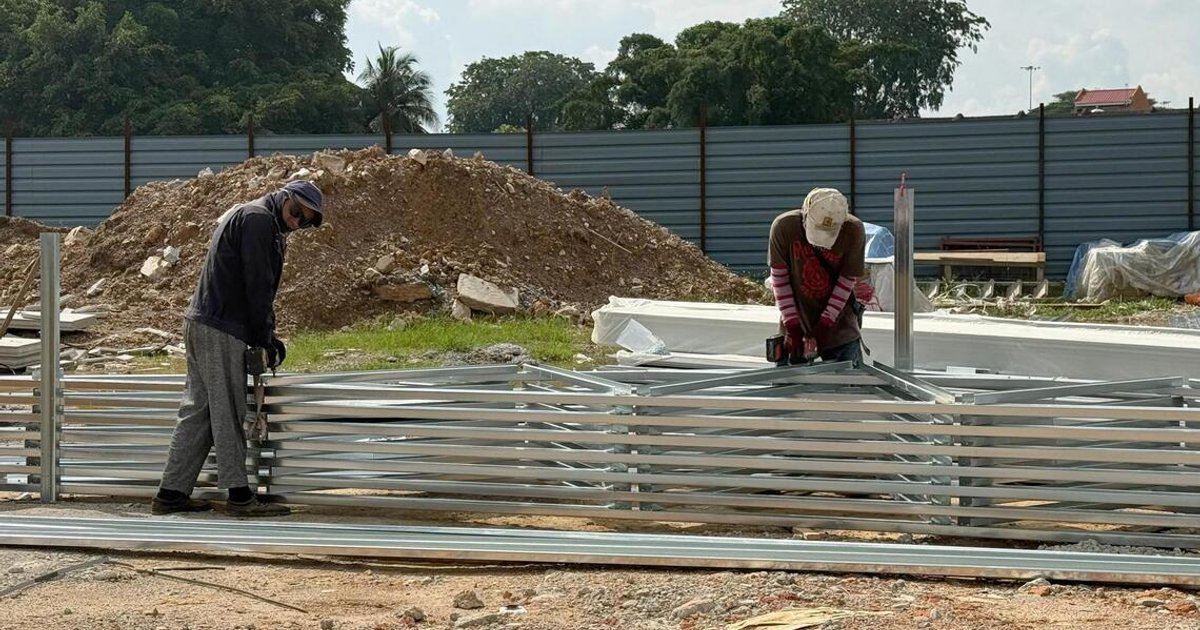
Malaysia's outdoor workforce faces mounting health risks as seasonal haze descends across the region, with inadequate workplace protections leaving labourers vulnerable to respiratory illnesses and other pollution-related conditions. Construction workers, plantation staff, and street vendors continue their daily work despite hazardous air quality levels, often lacking access to proper respiratory equipment or clear guidance on safe working practices.
The situation reveals significant gaps in Malaysia's occupational safety framework. While the country has established air quality standards and general workplace health regulations, enforcement mechanisms remain weak and sector-specific guidelines for outdoor workers during haze episodes are largely absent. Employers in many industries face limited accountability for ensuring worker safety when air pollution reaches dangerous levels.
Workers themselves often prioritise immediate income needs over health concerns, with many unable to afford taking unpaid leave or accessing medical care for pollution-related ailments. Low-wage earners in construction, agriculture, and informal sectors face particular vulnerability, as they lack union representation or formal employment contracts that might otherwise guarantee protective measures.
Occupational health experts and labour advocates are calling for comprehensive policy reforms, including mandatory air quality monitoring at worksites, provision of certified protective equipment, and clear protocols requiring work stoppages or modified schedules during hazardous conditions. Regional coordination efforts to address transboundary haze sources remain contentious, leaving affected workers dependent on inconsistent national responses.