Politics · Malaysia Bureau
Malaysia's power bills reflect costs beyond generation expenses
Electricity tariffs charged to Malaysian consumers encompass far more than the wholesale cost of power generation, with transmission, distribution and regulatory expenses all factored into final bills.
LSN Malaysia ·
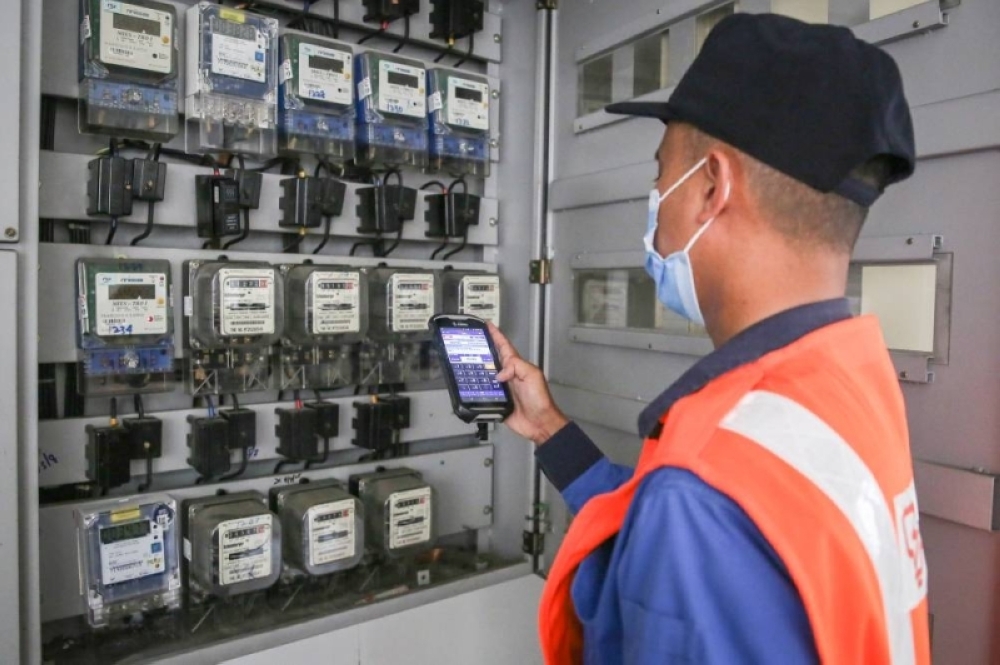
The price Tenaga Nasional Bhd (TNB) pays to generate electricity represents only one component of what appears on Malaysian household and business electricity bills. The national utility's actual costs extend well beyond power generation to include the infrastructure required to transport electricity across the peninsula and deliver it to millions of end-users.
Transmission and distribution networks form a substantial portion of overall electricity expenses. These systems—comprising high-voltage lines, substations, transformers and the extensive network of poles and cables reaching individual premises—require significant capital investment and ongoing maintenance. The costs associated with maintaining and upgrading this infrastructure are passed through to consumers as part of their tariffs.
Beyond physical infrastructure, regulatory and administrative expenses add layers to the final bill. These include costs related to metering, billing systems, customer service operations and compliance with regulatory requirements set by the Energy Commission. Operating and maintaining TNB's extensive workforce across the peninsula also constitutes a major expense category that feeds into tariff calculations.
The structure of Malaysia's electricity pricing also reflects policy considerations and cross-subsidisation mechanisms. Different customer categories—residential, commercial and industrial—may face varying rates, with some segments subsidising others as part of broader national economic policy. This multi-layered approach means consumers ultimately pay for far more than the raw cost of generating electricity, contributing to tariffs that reflect the complete ecosystem required to deliver reliable power nationwide.