Politics · Malaysia Bureau
Malaysia's rights body warns of potential international law breach in refugee returns
The Human Rights Commission of Malaysia has raised concerns about the voluntary nature of refugee repatriations, calling for independent verification rather than reliance on immigration authorities to assess whether returnees are acting of their own accord.
LSN Malaysia ·
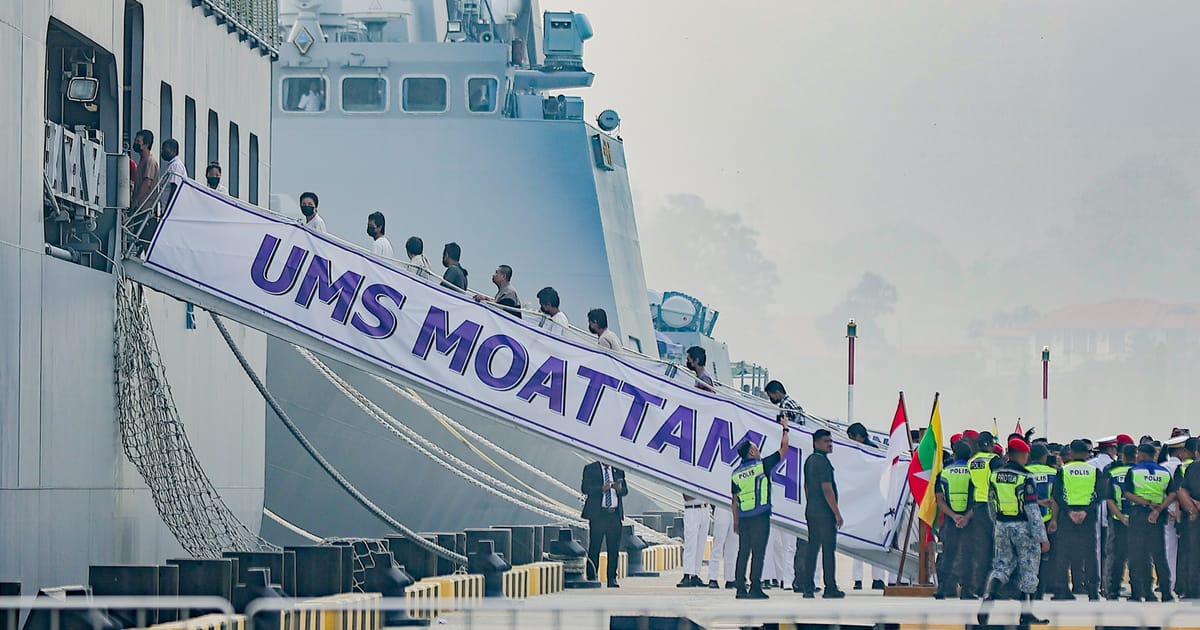
The Human Rights Commission of Malaysia (Suhakam) has cautioned that the country risks violating international law obligations through its refugee repatriation practices, citing questions about whether returns are genuinely voluntary.
In a statement addressing the repatriation process, Suhakam emphasised that determining the voluntary nature of refugee returns must be conducted by an independent authority rather than left solely to the immigration department. The commission's concerns centre on ensuring compliance with the principle of non-refoulement, a cornerstone of international refugee protection law that prohibits returning individuals to places where they face persecution or harm.
The warnings reflect growing scrutiny of Malaysia's handling of refugee populations, many of whom originate from conflict zones and humanitarian crises across the region. Suhakam's position suggests that current procedures may not adequately safeguard the rights of vulnerable individuals facing repatriation decisions.
The commission's intervention highlights the need for robust mechanisms to verify that refugees are not being coerced into returning to countries where their safety cannot be guaranteed. International human rights standards require that such determinations be made through transparent, impartial processes that prioritise individual welfare over administrative convenience.
Malaysia, which hosts one of Asia's largest refugee populations, remains unsigned to the 1951 Refugee Convention, a position that continues to draw criticism from human rights organisations globally.