World · Myanmar Bureau
Malaysia's Rohingya deportation plan sparks fear of forced returns
Myanmar's Rohingya community faces uncertainty as Malaysia prepares to return refugees to a country where they have no citizenship and have faced documented persecution. Rights groups warn the deportations could violate international non-refoulement protections.
LSN Myanmar ·
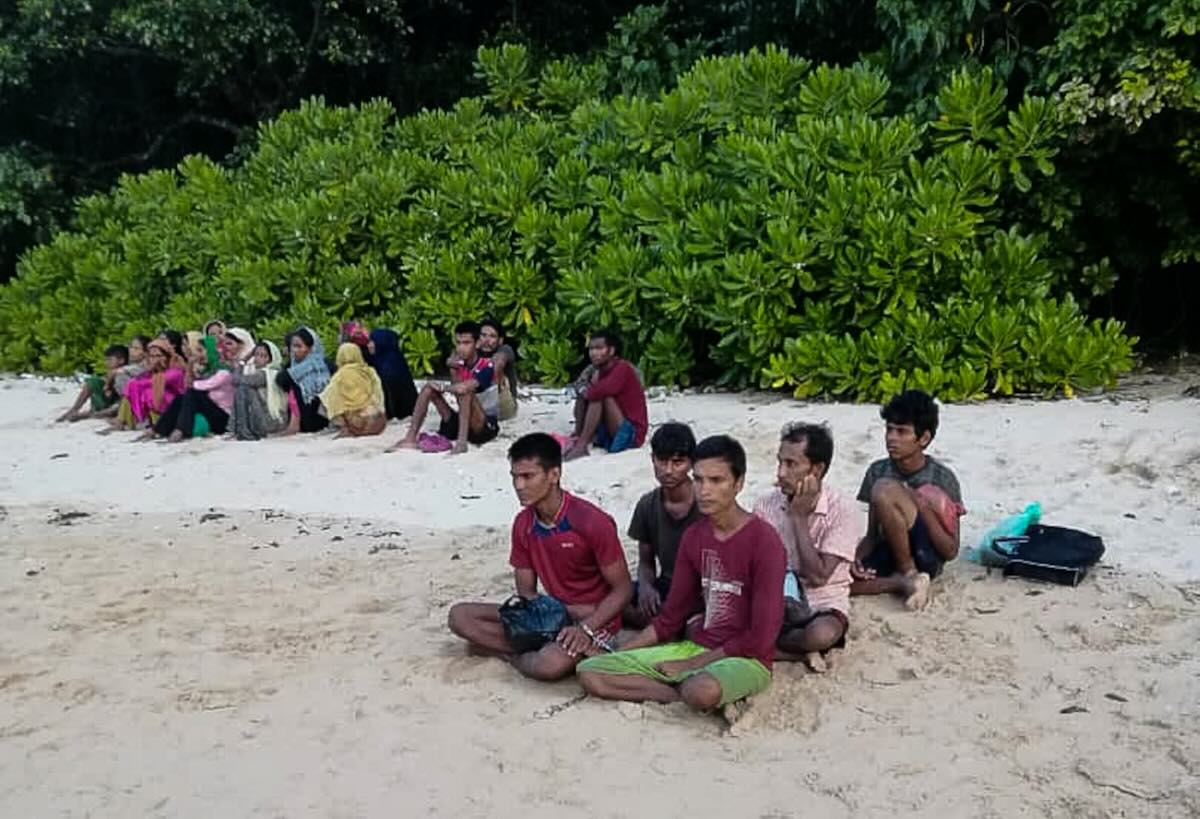
Malaysia's announced plans to return Myanmar nationals have triggered alarm among Rohingya refugees, who fear forced repatriation to a government that has systematically denied them citizenship rights and perpetrated violence against their community. The proposed deportations represent a significant policy shift for Malaysia, which has long hosted one of the world's largest refugee populations despite not being a signatory to the 1951 Refugee Convention.
Rohingya advocates and international human rights organizations have raised serious concerns about the safety of those returned to Myanmar, citing documented accounts of security force abuses and the state's longstanding denial of citizenship to the predominantly Muslim ethnic minority. Legal experts contend that deportations could breach the principle of non-refoulement, which prohibits countries from returning individuals to places where they face persecution or serious harm.
The Myanmar government has offered no guarantees regarding the treatment or legal status of returnees, deepening Rohingya concerns about their fate. Many Rohingya fled to Malaysia following military operations in Rakhine State that forced hundreds of thousands across the border into neighboring Bangladesh.
Malaysia hosts approximately 180,000 registered refugees, with significant Rohingya populations in Kuala Lumpur and other urban centers. The country has previously resisted international pressure to sign refugee conventions, citing concerns about burden-sharing and sovereignty. No timeline has been officially announced for the deportations, though the announcement has prompted urgent advocacy efforts by civil society groups and United Nations bodies.