World · World News Bureau
Malaysia's Rohingya refugees face uncertain future as support dwindles
Refugee advocacy groups in Malaysia are struggling with shrinking resources while anti-Rohingya sentiment intensifies, leaving thousands of displaced people in limbo. The combination of reduced funding and rising hostility has created a precarious situation for one of the world's most vulnerable populations.
LSN World News ·
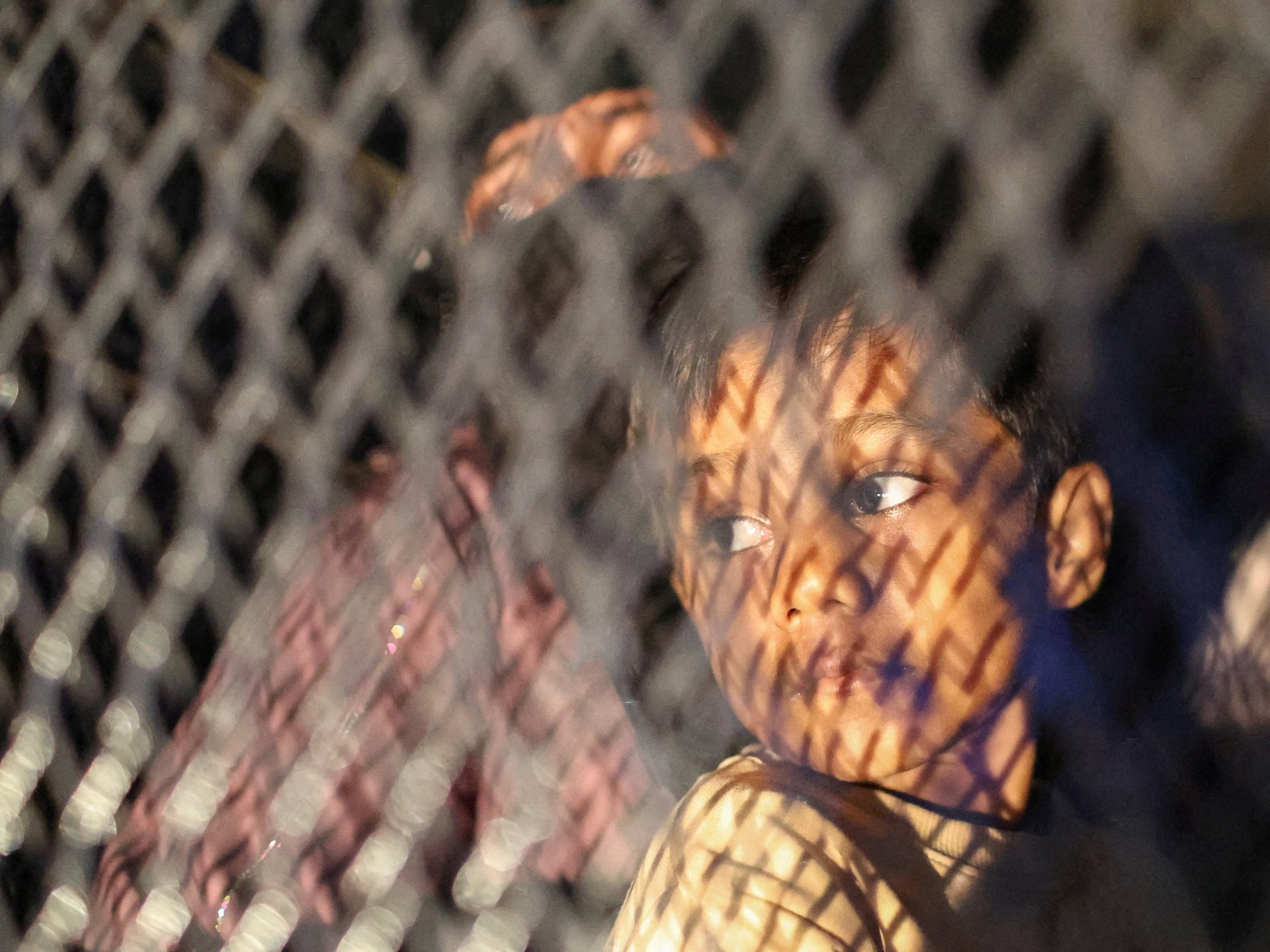
Refugee support organizations operating in Malaysia are confronting a mounting crisis as financial resources contract and public sentiment turns increasingly hostile toward the Rohingya community. The squeeze on funding comes at a critical moment, with advocacy groups warning that their ability to provide essential services—from shelter to legal assistance—faces serious constraints.
The deteriorating conditions reflect broader regional tensions surrounding Myanmar's Rohingya minority, who have fled violence and persecution in their homeland. Malaysia, which hosts one of the largest Rohingya populations outside of refugee camps in Bangladesh, has become a flashpoint where compassion fatigue and economic pressures are colliding with the desperate needs of displaced families.
Local communities and aid workers describe scenes of acute distress among refugee populations, particularly as rumors of potential deportations circulate. The psychological toll on vulnerable populations—especially children—has become increasingly evident, with reports of deepening anxiety and despair among families who fear forcible return to Myanmar.
Government restrictions, combined with declining international donor support, have left nonprofit organizations operating on minimal budgets. Many groups report that they can no longer meet baseline humanitarian needs, forcing difficult choices about service provision and outreach. The situation underscores the long-term challenges facing host countries managing large refugee populations without sustained international assistance.