Politics · Malaysia Bureau
Malaysia to Leverage PISA Results to Map Education System Gaps
The government will use the 2029 PISA assessment results to identify learning deficiencies across its education system. Education officials say students must receive sustained support throughout their primary and secondary schooling to prepare for the international standardised test.
LSN Malaysia ·
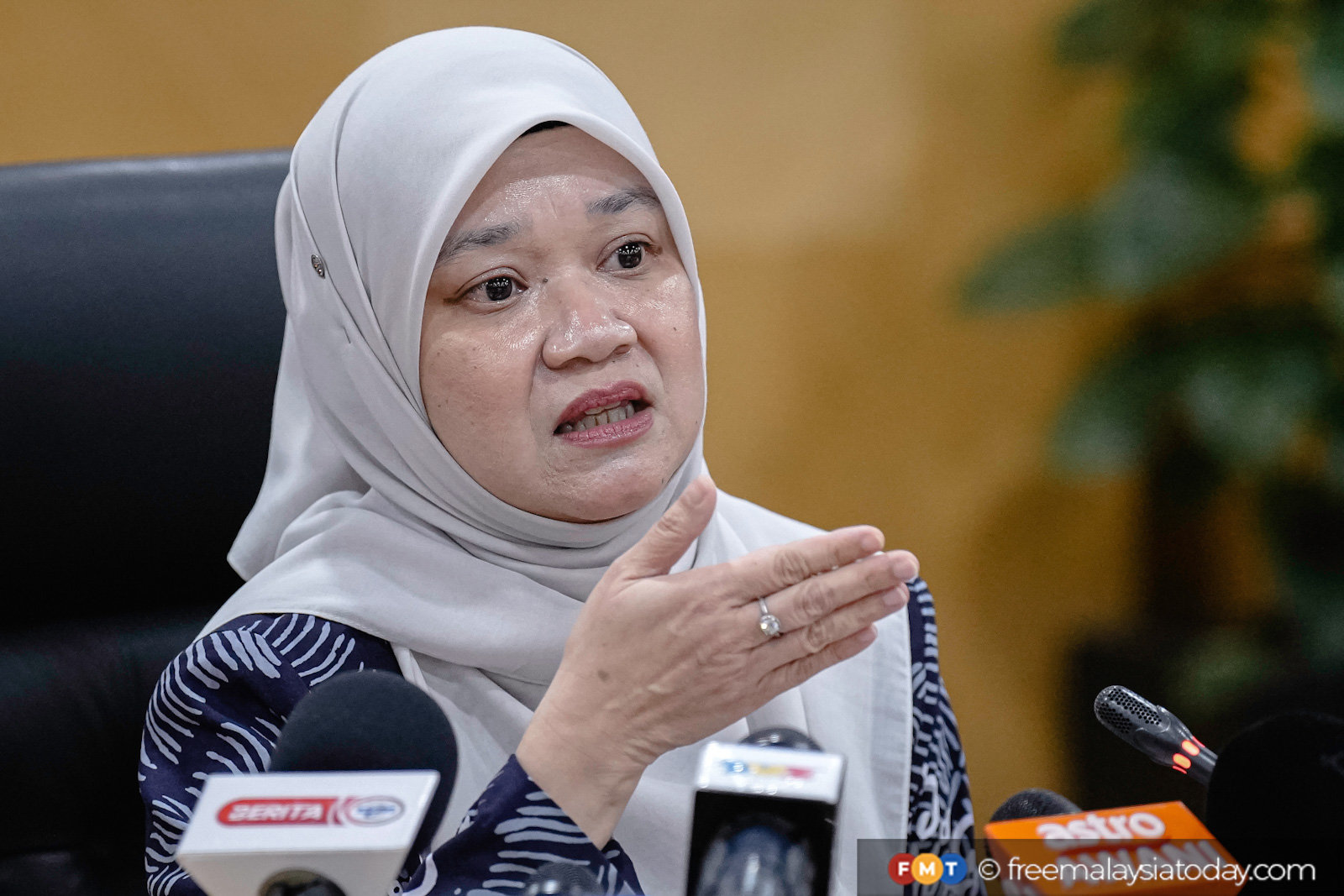
Malaysia's Education Ministry has signalled its intention to harness PISA (Programme for International Student Assessment) outcomes as a diagnostic tool to pinpoint systemic weaknesses in the national education framework.
The ministry's emphasis on the 2029 PISA cohort reflects a strategic approach to educational improvement, with officials highlighting that targeted interventions must commence immediately rather than closer to the assessment date. This early intervention strategy underscores the ministry's recognition that lasting academic gains require sustained, long-term support structures.
Under the proposed framework, students will receive continuous academic backing spanning both primary and secondary levels. The approach signals a shift towards data-driven policymaking, with PISA results serving as a benchmark against which Malaysia's educational performance can be measured internationally.
The PISA programme, administered by the OECD, evaluates 15-year-old students' competencies in reading, mathematics, and science across participating nations. Malaysia's participation in the assessment provides comparative insights into how its education system performs on the global stage, informing evidence-based reforms and resource allocation decisions.
Education authorities have committed to translating assessment findings into actionable improvements within schools, positioning the initiative as part of a broader modernisation agenda for the nation's education sector.