Politics · Singapore Bureau
Malaysia unveils 2027 budget with tax cuts targeting urban voters
Prime Minister Anwar Ibrahim's administration has rolled out targeted tax reliefs and business incentives in its 2027 budget bid to shore up support among city dwellers and small enterprises. The measures signal an attempt to rebuild confidence in urban constituencies while addressing cost-of-living pressures.
LSN Singapore ·
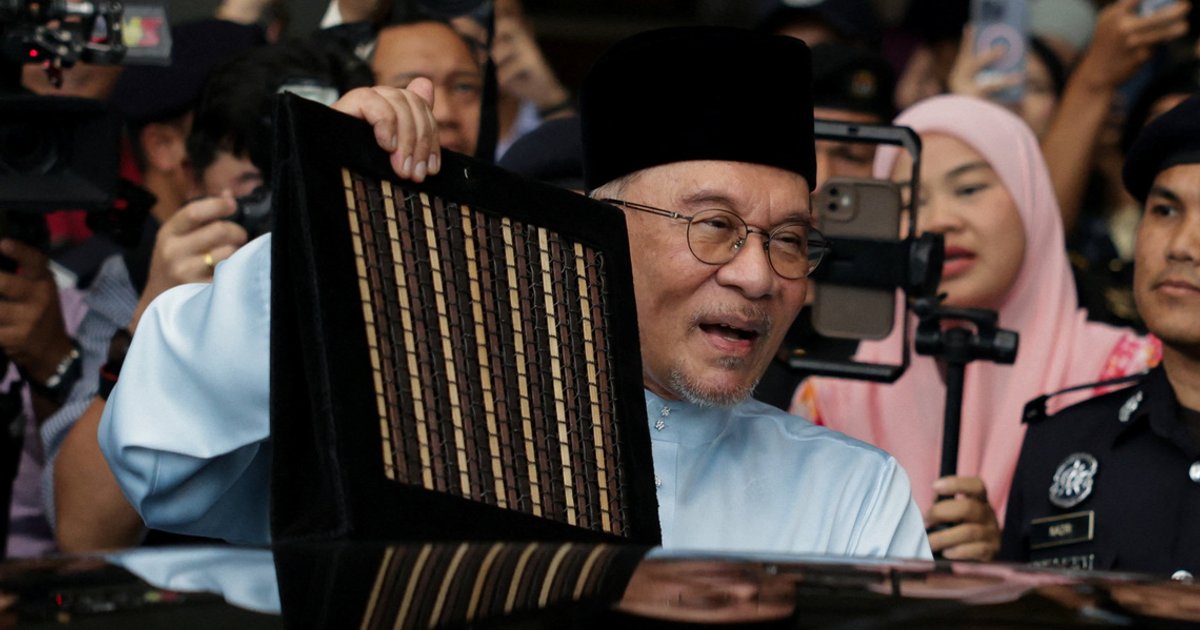
Malaysia's 2027 budget centres on tax cuts and relief schemes designed to appeal to middle-class urban voters and small business operators, reflecting Prime Minister Anwar Ibrahim's push to consolidate political support ahead of general elections. The package includes personal income tax reductions and targeted business incentives aimed at stimulating consumer spending and entrepreneurial activity in key urban centres.
The budget proposals acknowledge persistent discontent among urban demographics regarding economic opportunities and purchasing power. Small and medium-sized enterprises have been identified as a key focus area, with the government signalling expanded tax breaks and streamlined compliance measures to ease operational burdens.
Economic observers note the strategic timing of the tax-focused approach, which seeks to counterbalance earlier policy decisions that drew criticism from urban constituencies. The measures represent a calculated attempt to demonstrate responsiveness to voter concerns about inflation, wages, and business viability in competitive metropolitan markets.
However, analysts caution that tax relief measures alone may prove insufficient to address deeper grievances within urban voter bases. Questions persist regarding the budget's overall fiscal sustainability and whether targeted cuts will generate sufficient economic stimulus to translate into meaningful wage growth and employment gains.