Culture & Entertainment · Malaysia Bureau
Malaysia urged to balance rail testing efficiency with safety standards
As rail projects expand across the region, transport authorities face pressure to streamline testing protocols without compromising safety. Questions have emerged about whether additional testing in Malaysia is necessary for trains that have already undergone rigorous factory assessments.
LSN Malaysia ·
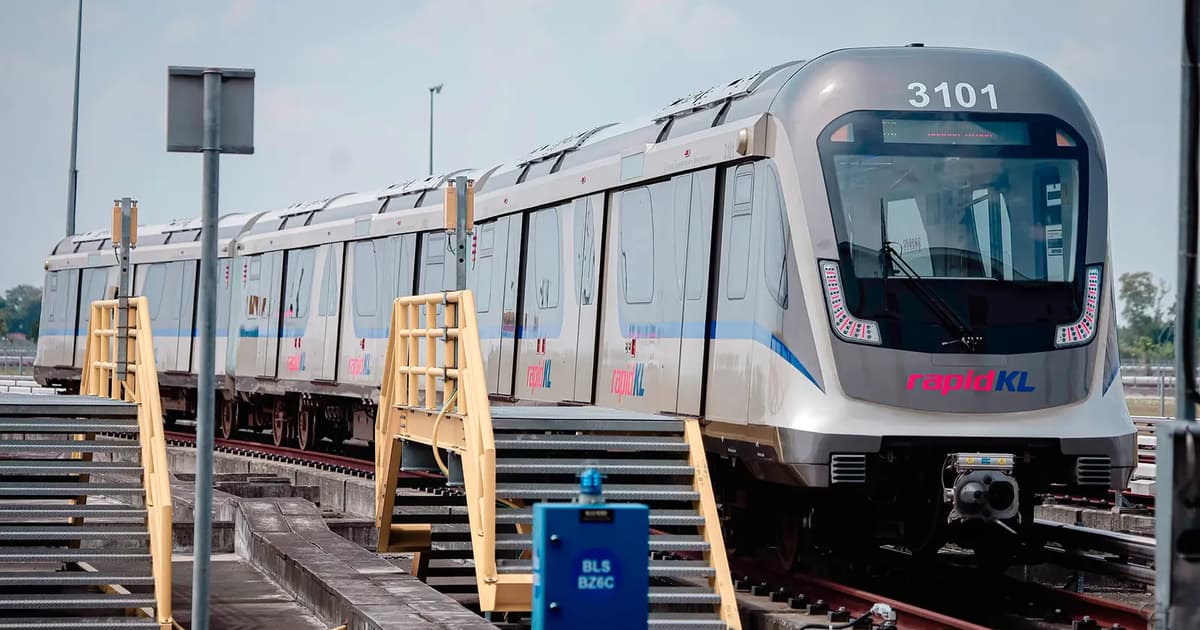
Transport regulators in Malaysia are grappling with a fundamental tension between operational efficiency and public safety as new rail systems are deployed across the country. With trains increasingly undergoing comprehensive testing at manufacturing facilities before shipment, questions are being raised about the extent and duration of on-site validation required in Malaysian conditions.
Industry observers note that extensive factory testing protocols can identify manufacturing defects and verify basic operational parameters. However, proponents of maintaining robust local testing argue that Malaysian environmental conditions—including tropical climate factors, topographical variations, and specific infrastructure configurations—warrant field validation to ensure systems perform as designed in real-world conditions.
Engineers emphasize that while testing durations could potentially be optimized through smarter methodologies and targeted validation protocols, reducing safety verification standards would be unacceptable. The challenge lies in designing testing frameworks that are both economically efficient and comprehensive enough to protect passengers and the public.
Malaysian transport authorities and rail operators are expected to review testing requirements for upcoming projects, seeking approaches that maintain stringent safety benchmarks while reducing unnecessary delays to service launches. Industry stakeholders indicate that collaboration between manufacturers, regulators, and operators could lead to streamlined but equally rigorous testing frameworks tailored to local conditions.