World · Malaysia Bureau
Malaysia weighs Borneo representation against Malay-majority seat expansion
A senior government official has prioritised creating additional constituencies in Malaysia's Malay-majority regions over addressing representation gaps in Borneo, despite analysis suggesting east coast peninsula seats are already over-represented.
LSN Malaysia ·
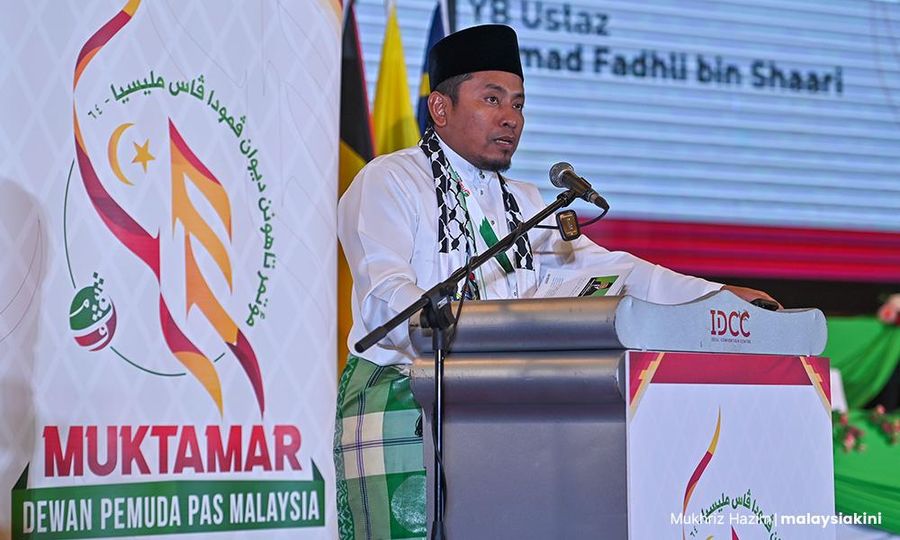
The debate over Malaysia's electoral boundaries has intensified as authorities grapple with competing demands for constituency redistricting ahead of potential future elections. Federal Territories Minister Fadhli Md Salleh has signalled that establishing new seats in Malay-dominated areas takes precedence over increasing Borneo's parliamentary representation, citing the need to address demographic shifts in these regions.
However, independent data analysis challenges this priority hierarchy. Research indicates that constituencies along the peninsula's east coast have benefited from over-representation relative to their populations, suggesting these areas already receive disproportionate electoral weight. The findings raise questions about the rationale for further expanding representation in these regions.
Borneo, comprising Sabah and Sarawak, has long advocated for increased seats in Parliament to better reflect its growing population and geographic significance. The two states argue their current allocation does not adequately represent their constituents' interests at the federal level. This tension reflects broader debates in Malaysia about equitable electoral distribution and demographic representation.
Electoral boundary reviews remain a sensitive political issue in Malaysia, with implications for the balance of power between ruling coalitions and opposition parties. The government's stated preference for prioritising Malay-majority constituencies suggests political calculations are influencing redistricting discussions alongside demographic considerations.
Authorities have not yet announced a definitive timeline for implementing any boundary changes, leaving the outcome of these competing demands uncertain.