World · Malaysia Bureau
Malaysia weighs legal options as Indonesian haze crisis deepens
As smoke from Indonesian wildfires continues to shroud Malaysia and Singapore, regional governments are exploring multiple avenues including international courts and ASEAN mechanisms to address the recurring transboundary pollution crisis.
LSN Malaysia ·
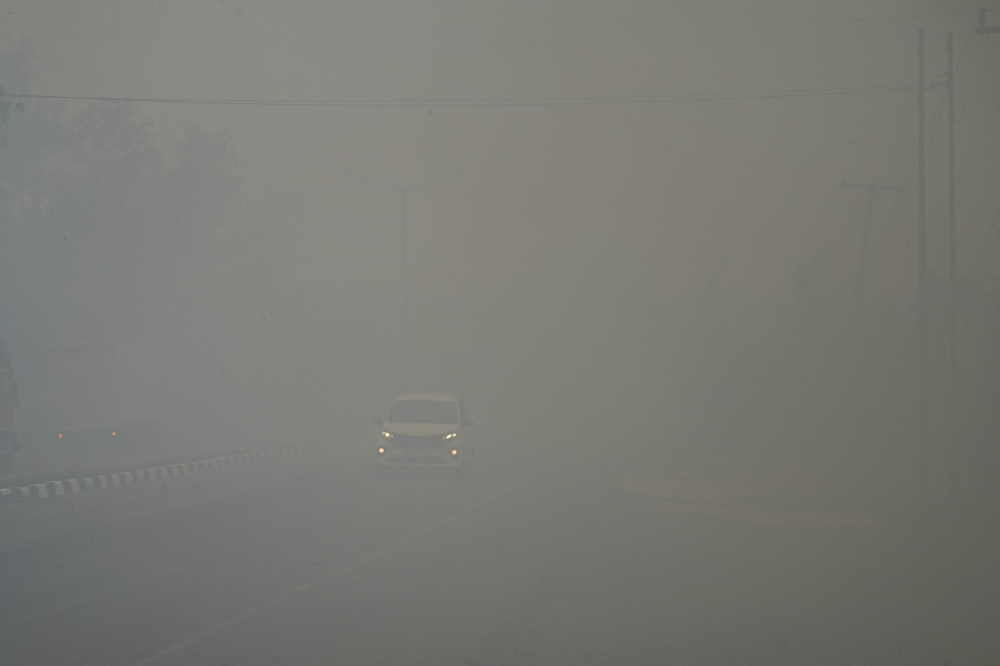
KUALA LUMPUR — Malaysia faces limited but growing options to tackle the persistent haze originating from Indonesian forest fires, with legal experts and policymakers examining recourse through international courts, regional frameworks, and civil litigation.
The haze that has blanketed Malaysia and Singapore represents the latest iteration of a long-standing environmental challenge. As air quality indices reached hazardous levels across the region, officials have begun reconsidering strategies beyond diplomatic appeals and bilateral negotiations that have proven insufficient in previous years.
One potential pathway involves the International Court of Justice (ICJ), which could theoretically hear cases concerning transboundary environmental harm. However, legal experts note that pursuing such action requires both countries to accept the court's jurisdiction and would face significant procedural hurdles. Alternatively, ASEAN mechanisms, including the ASEAN Agreement on Transboundary Haze Pollution signed in 2002, provide a regional framework, though enforcement has historically been weak.
Civil litigation against Indonesian corporations or entities responsible for the land-clearing operations represents another avenue Malaysian parties are exploring. Such suits could be filed in Malaysian courts or jurisdictions where defendants have assets, creating financial consequences that might incentivize stricter fire prevention measures.
Regional analysts suggest that a combination of these approaches, coupled with sustained diplomatic pressure and support for Indonesian wildfire prevention efforts, may prove more effective than any single legal mechanism in addressing this recurring transnational environmental crisis.