Culture & Entertainment · Malaysia Bureau
Malaysian dancer infuses national identity into classical Bharatanatyam costume
A Malaysian Bharatanatyam artiste has incorporated local textile traditions into her classical Indian dance costumes, demonstrating how traditional art forms can evolve while maintaining their cultural integrity.
LSN Malaysia ·
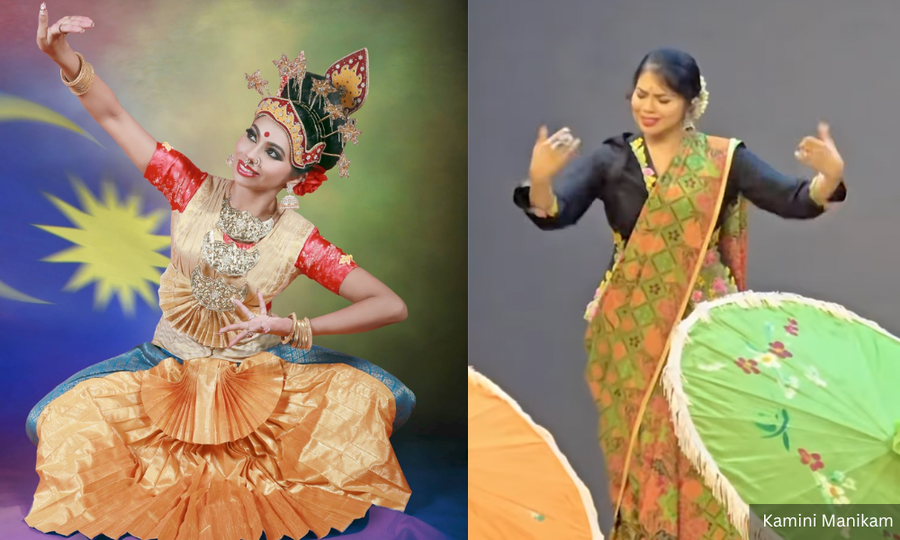
A Malaysian performer of Bharatanatyam, the classical Indian dance form, has begun blending elements of Malaysian identity into her traditional costume by incorporating the sarong saree—a fusion garment that marries the structure of classical dance attire with local textile heritage.
The artiste contends that this creative adaptation does not diminish or compromise the foundational principles and technical grammar of Bharatanatyam itself. Instead, the approach represents a natural evolution of the art form as it takes root in new cultural contexts across Southeast Asia.
Bharatanatyam, originating in Tamil Nadu, has historically been performed in specific traditional costumes that are integral to the visual language of the dance. By introducing the sarong saree—a garment steeped in Malaysian and Southeast Asian textile traditions—the performer demonstrates how diaspora communities can claim ownership of classical art forms while remaining grounded in their own cultural identities.
The move reflects a broader trend among contemporary Asian artists who seek to maintain authenticity and technical excellence in classical disciplines while creating meaningful connections to their home communities. The incorporation of local textiles and design elements can enhance rather than dilute the artistic expression when approached with scholarly rigor and respect for the art form's core principles.