World · Malaysia Bureau
Malaysian veterinarians warn of haze health crisis affecting pets
As air quality deteriorates across Malaysia, veterinary clinics are reporting a surge in respiratory illnesses among cats and dogs, with some animals requiring oxygen therapy. The phenomenon underscores how transboundary haze affects not just human health but animal welfare.
LSN Malaysia ·
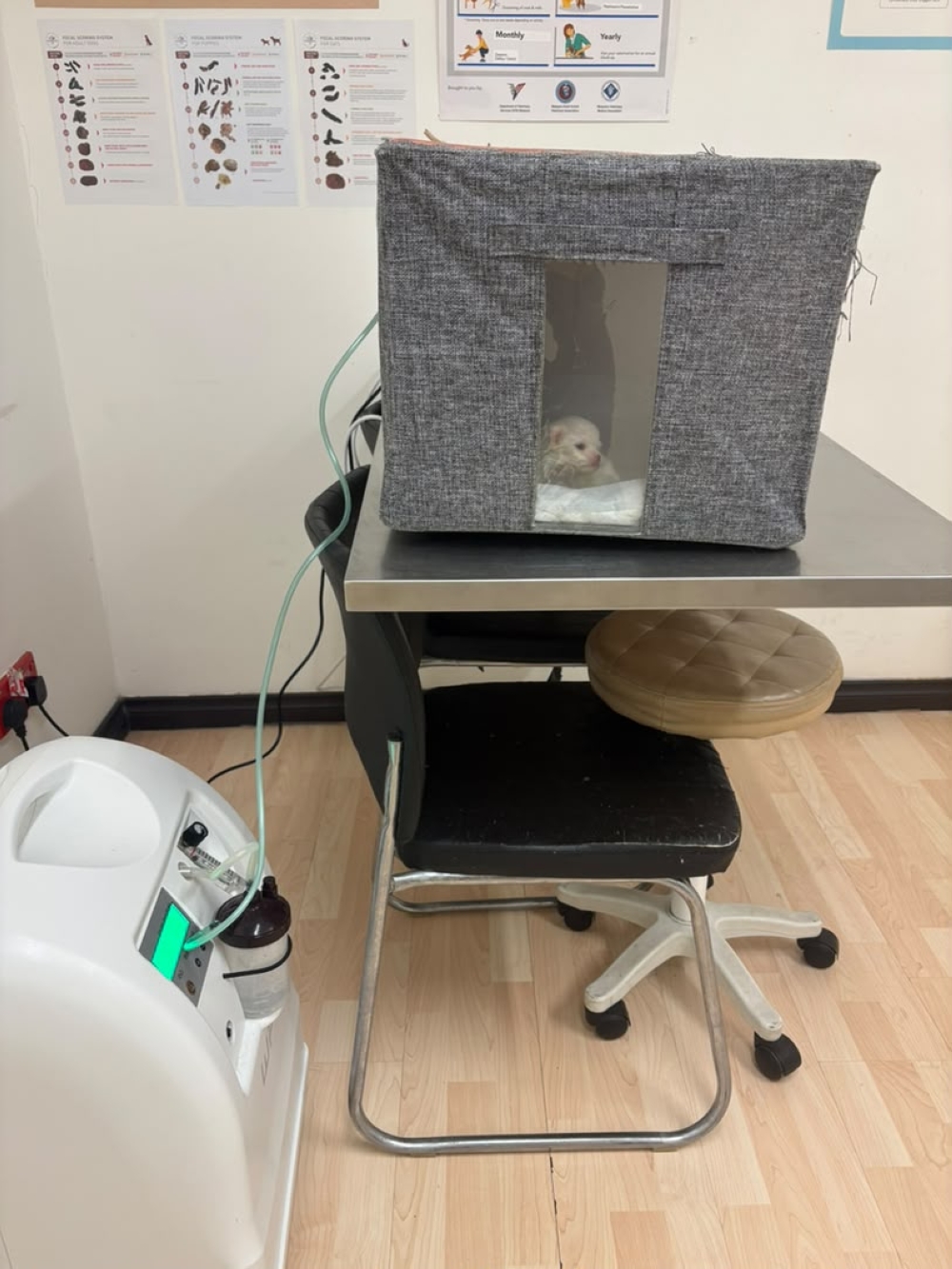
KOTA KINABALU — Pet owners across Malaysia are facing mounting veterinary bills as poor air quality from regional haze triggers breathing difficulties in their animals. Veterinarians in Sabah and other affected areas have documented rising cases of respiratory distress in domestic cats and dogs, with some requiring intensive care including oxygen therapy.
Clinical signs being observed include asthma attacks in felines, laboured breathing, lethargy, and loss of appetite in both cats and dogs. Veterinary professionals attribute the spike to fine particulate matter and pollutants in the air that penetrate pets' respiratory systems, particularly affecting animals with pre-existing conditions.
The situation mirrors broader public health concerns as the Pollutant Standards Index reaches unhealthy levels across multiple regions. Veterinarians recommend pet owners monitor their animals closely during haze episodes, ensure adequate hydration, and minimise outdoor exposure. Those with animals showing respiratory symptoms are urged to seek prompt veterinary attention.
Animal welfare experts note that unlike humans who can take protective measures, domestic pets depend entirely on their owners to mitigate environmental hazards. The current health crisis among Malaysia's pet population serves as a reminder of haze's comprehensive impact on living beings throughout the region.