World · Malaysia Bureau
Malaysians spending more on dining out than home cooking, health concerns rise
Malaysian households are allocating more of their food budgets to eating out than purchasing groceries for home-prepared meals, according to recent findings. The trend raises concerns among health experts about the nutritional implications for the nation's population.
LSN Malaysia ·
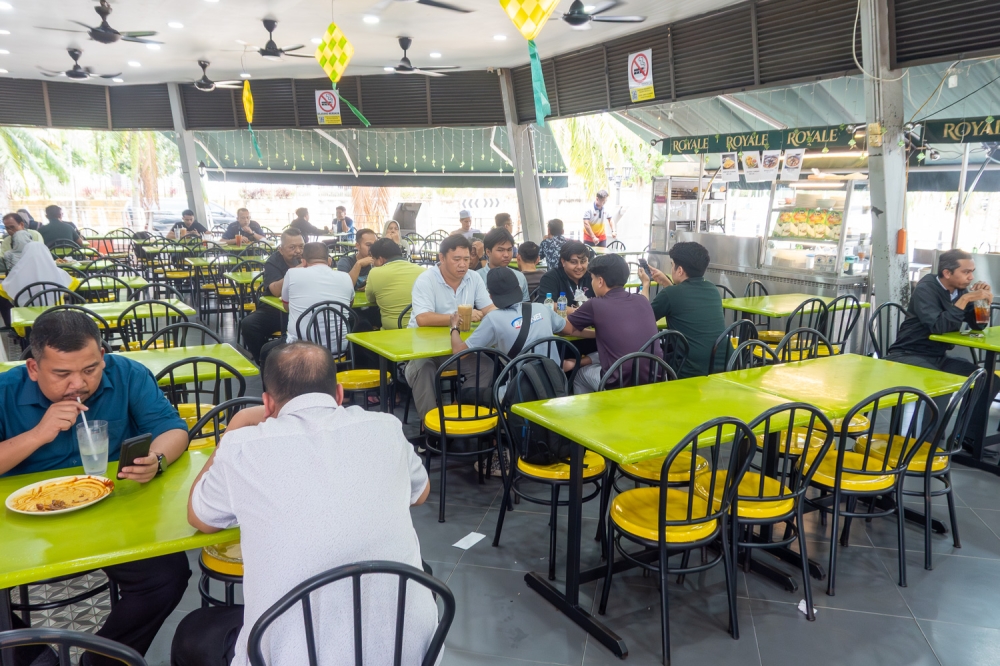
KUALA LUMPUR — Household spending patterns in Malaysia show a significant shift toward restaurant and food delivery services, with consumers now investing more in meals eaten outside the home than in ingredients for cooking, data indicates.
The change in dietary habits reflects broader lifestyle trends affecting Malaysian families, as convenience and time pressures drive increased reliance on commercial food establishments. This spending reallocation has prompted health analysts to warn of potential public health consequences linked to greater consumption of restaurant meals, which typically contain higher levels of sodium, saturated fats, and processed ingredients compared to home-cooked fare.
Nutritionists and public health officials have flagged concerns that the dependency on eating out contributes to rising rates of diet-related diseases including obesity, hypertension, and diabetes among the Malaysian population. The trend appears particularly pronounced in urban areas where dual-income households and busy work schedules limit time available for meal preparation.
Industry observers note that the growth in food delivery platforms and quick-service restaurants has made eating out increasingly accessible and affordable for middle-income households, further normalizing the practice. Health advocates are calling for greater public education campaigns promoting the benefits of home cooking and balanced nutrition as the nation grapples with expanding healthcare burdens related to preventable lifestyle diseases.