World · Bangladesh Bureau
Malnutrition treatment programmes face abrupt interruptions across region
Health authorities across South and Southeast Asia are grappling with sudden disruptions to malnutrition treatment initiatives, leaving vulnerable populations at risk. The discontinuity threatens gains made in combating widespread nutritional deficiencies affecting millions.
LSN Bangladesh ·
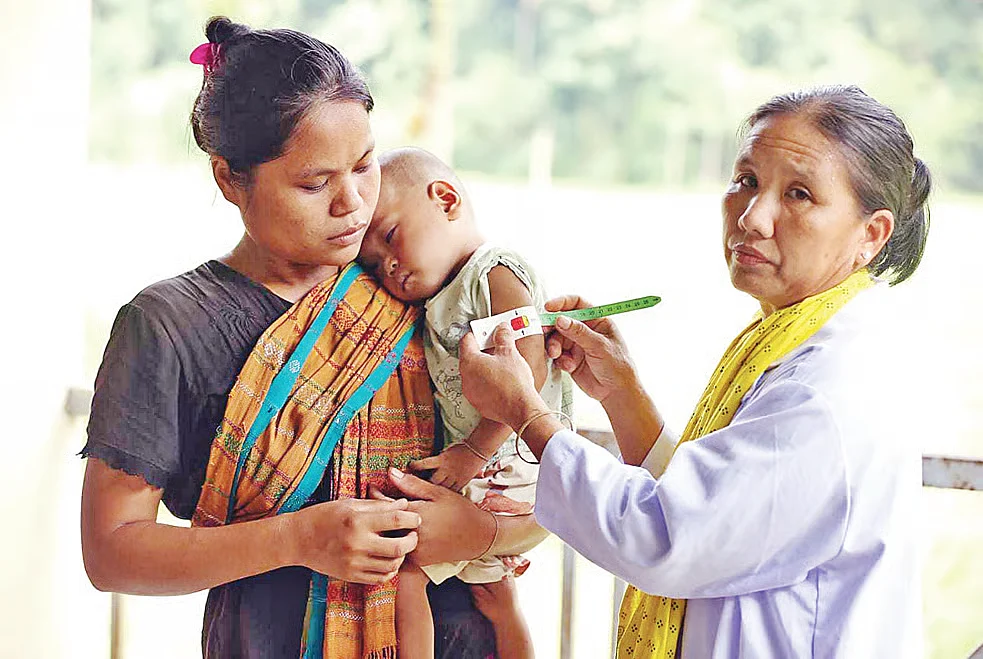
Malnutrition treatment programmes throughout South and Southeast Asia are experiencing unexpected halts, undermining efforts to address one of the region's most pressing public health challenges. The interruptions, affecting both urban and rural treatment centres, have left thousands of beneficiaries without continued access to therapeutic interventions and nutritional support.
The sudden cessation of these programmes stems from multiple factors, including funding constraints, logistical difficulties, and administrative challenges at both government and non-governmental levels. Health workers report that patients who were showing improvement in their nutritional status have been forced to discontinue treatment midway through their recovery process.
Experts warn that abrupt halts in malnutrition treatment can reverse progress already achieved and pose serious health risks, particularly for children and pregnant women. Incomplete treatment cycles increase vulnerability to infections and complications, potentially negating months of therapeutic effort.
Regional health officials have acknowledged the disruptions and called for sustainable financing mechanisms and coordinated planning to ensure continuity of care. Stakeholders emphasise that malnutrition remains a significant barrier to development, affecting school performance, economic productivity, and overall quality of life across the region.