Sport · Singapore Bureau
Manchester City's urban regeneration extends far beyond the pitch
While Manchester City Football Club has faced governance controversies, its investment has catalysed significant urban renewal across the northern English city. The club's development has transformed crime-affected neighbourhoods into vibrant commercial and residential spaces.
LSN Singapore ·
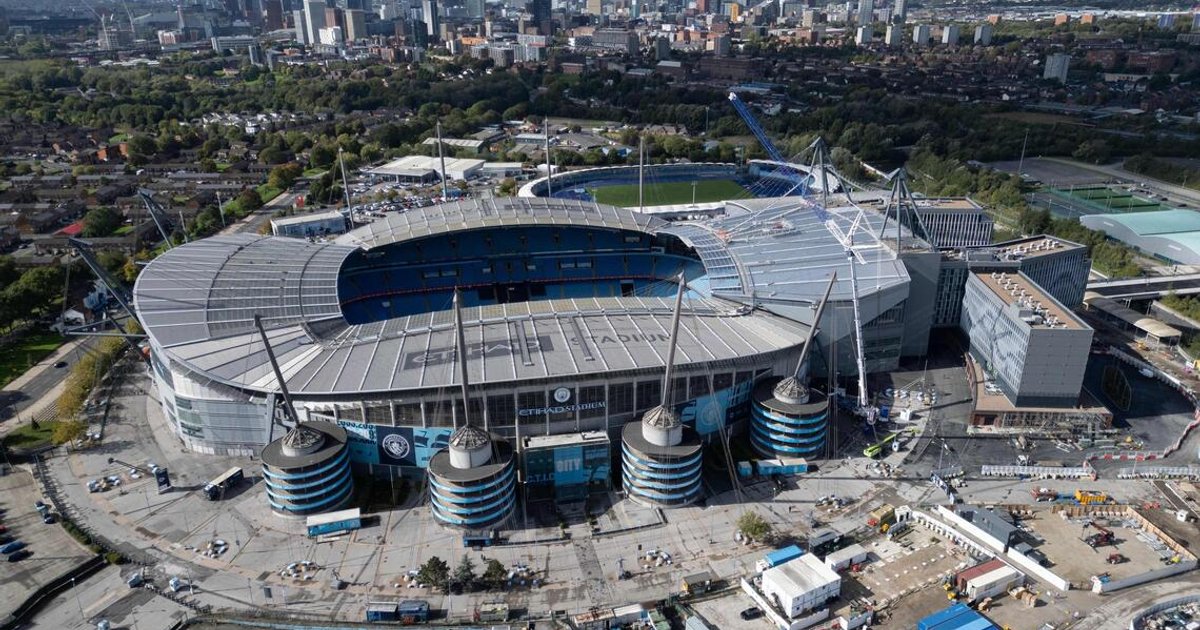
Manchester City's influence extends well beyond match results and trophy wins. The club has become a major driver of urban regeneration in Manchester, reshaping neighbourhoods that had struggled with crime and economic decline. Through targeted investment and development initiatives, City has helped create new residential areas, attract businesses and establish thriving café culture in previously neglected zones.
The club's stadium and surrounding infrastructure have anchored broader city planning efforts. New housing developments, retail spaces and entertainment venues have emerged in areas adjacent to the Etihad Stadium, drawing residents and visitors to districts that would otherwise have remained economically marginalised. This commercial revitalisation has complemented Manchester's wider efforts to position itself as a major UK city.
Local stakeholders have acknowledged the tangible improvements to their communities, with increased foot traffic and investment supporting small businesses and creating employment opportunities. The regeneration has also improved public spaces and safety perceptions in previously high-crime areas.
Yet the club's contribution to Manchester's renaissance remains complicated by questions surrounding its governance and financial practices. Nevertheless, the physical transformation of the city's landscape stands as testament to the club's substantial economic footprint and its role in Manchester's contemporary development trajectory.