World · Philippines Bureau
Mangrove restoration offers dual benefits for flood-prone Balanga City
Coastal communities in Balanga City are turning to mangrove forest restoration as a natural defense against rising floodwaters and declining fish stocks. The initiative addresses mounting environmental challenges that have threatened local livelihoods for years.
LSN Philippines ·
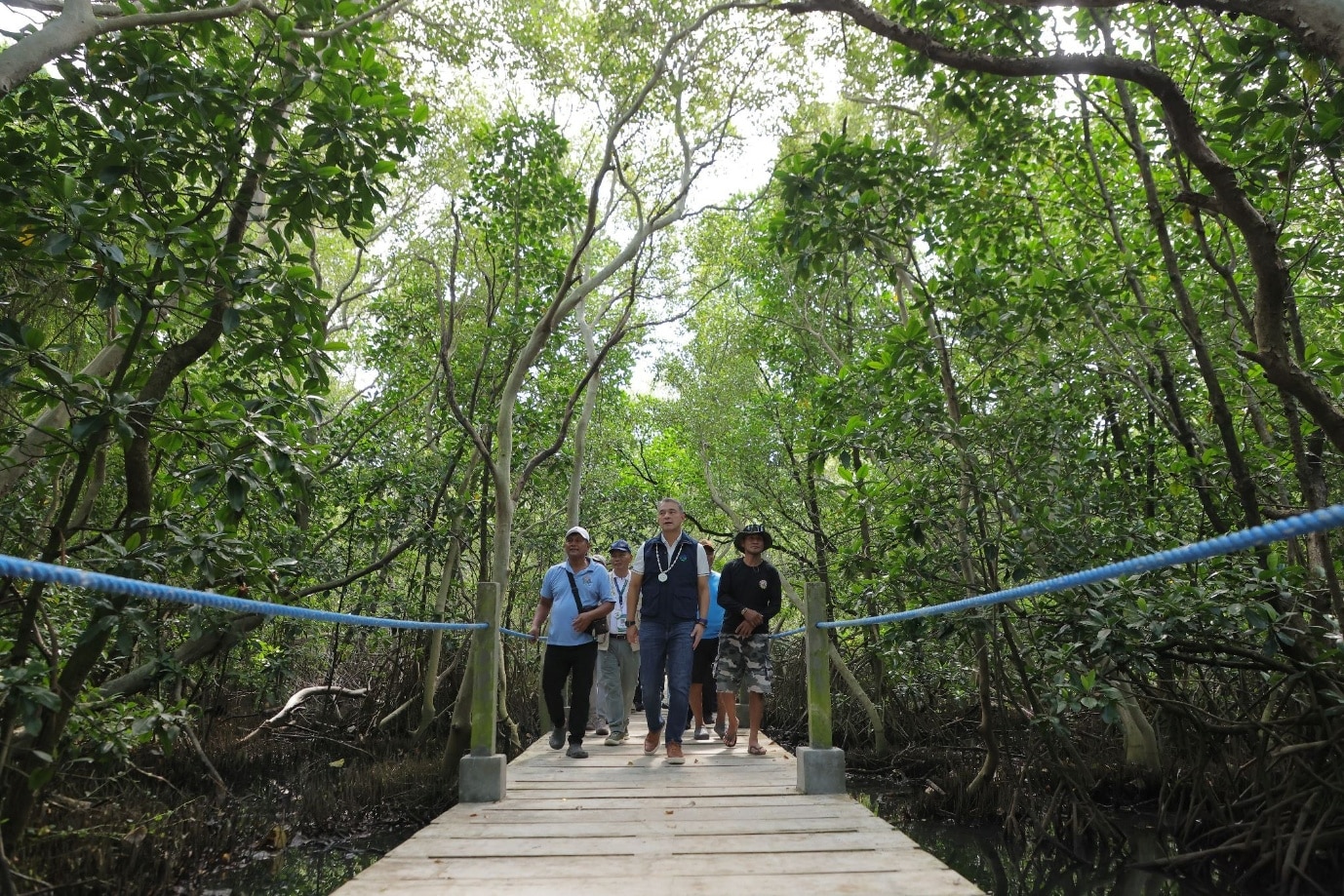
Residents of Balanga City's coastal areas have long struggled with the dual threats of seasonal flooding and diminishing fish catches. During high tide conditions, particularly when accompanied by strong winds and storms, floodwaters regularly inundate homes and fishponds, leaving communities vulnerable to disaster. The situation has worsened as mangrove forests that once formed a natural protective barrier along the coastline have been progressively cleared and degraded.
Mangrove ecosystems play a critical role in both coastal protection and marine resource sustainability. The dense root systems of these trees dissipate wave energy and reduce storm surge impacts, while their dense canopies stabilize sediments and prevent erosion. For fishing communities, mangrove forests serve as essential breeding and nursery grounds for commercially important fish and shellfish species.
Local authorities and environmental groups in Balanga have recognized mangrove restoration as a strategic solution to address multiple challenges simultaneously. By replanting and protecting remaining mangrove stands, the city aims to restore natural flood defenses while reviving the degraded fishing grounds that communities depend upon for survival.
The mangrove restoration effort represents a growing recognition across the Philippines that nature-based solutions offer cost-effective and sustainable alternatives to conventional infrastructure projects. As climate change intensifies storm patterns and sea-level rise accelerates, coastal communities are increasingly investing in ecosystem restoration to build long-term resilience.