World · Philippines Bureau
Manila North Cemetery serves as repository of Philippine history and heroes
Spanning 54 hectares in the capital, Manila North Cemetery functions as both a final resting place and open-air museum, preserving the legacies of the nation's most influential figures. The burial grounds showcase architectural tributes to statesmen, revolutionaries, literary giants, educators, and national heroes who shaped Philippine history.
LSN Philippines ·
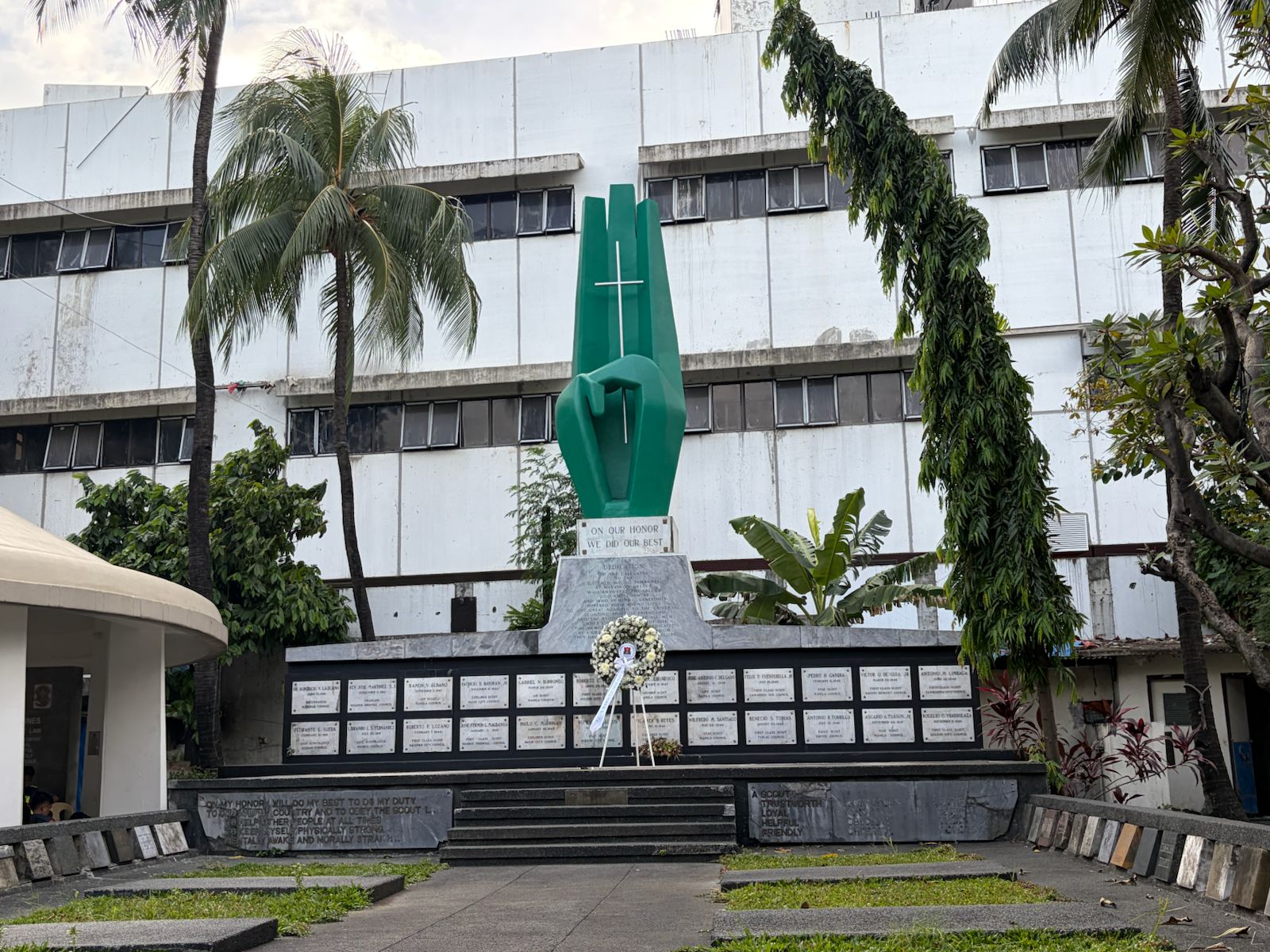
The Manila North Cemetery, known locally as Cimetière del Norte, stands as one of the Philippines' most significant historical sites, housing the remains of pivotal figures across multiple generations. Beyond its primary function as a necropolis, the sprawling 54-hectare grounds have become an informal repository of the nation's collective memory, with each grave site and monument telling a story of those who contributed to Philippine development.
The cemetery's layout and architectural features reflect the reverence accorded to the individuals interred within its boundaries. Visitors traversing the grounds encounter elaborately designed tombs and memorials dedicated to revolutionary leaders, political statesmen, celebrated writers, and educational pioneers whose influence extended far beyond their lifetimes. The diversity of those honored speaks to the cemetery's role in documenting multiple chapters of Philippine history.
As an open-air museum, Manila North Cemetery offers researchers, historians, and citizens alike a tangible connection to the past. The physical preservation of burial sites and commemorative monuments provides insight into how successive generations have remembered and honored their national figures. For many Filipinos, a visit to these historical plots represents both a tribute to legacy and an educational journey through the nation's formative moments.