Business · Malaysia Bureau
Mao nostalgia resurges in China as economic troubles deepen
Five decades after Mao Zedong's death, Chinese citizens are increasingly romanticizing his egalitarian vision as the country grapples with economic slowdown and widening wealth disparities. The shift reflects growing disillusionment with market reforms and inequality under current leadership.
LSN Malaysia ·
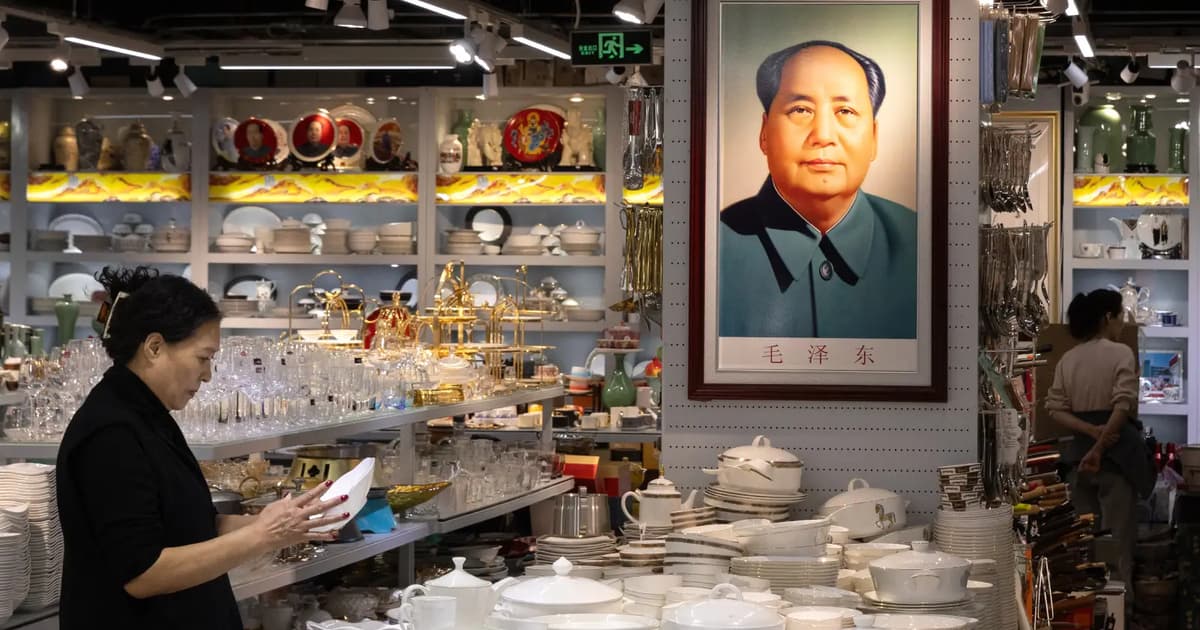
Half a century after Mao Zedong's death in 1976, nostalgia for the late Communist leader's ideals of equality and social justice is gaining traction among segments of China's population, particularly as the world's second-largest economy faces headwinds and mounting social divisions.
As memories of Mao's tumultuous rule—marked by the Great Leap Forward famine and Cultural Revolution upheavals—have faded with time, a romanticized version of his vision for an egalitarian society has taken root in public discourse. This nostalgic reassessment comes amid China's economic slowdown, youth unemployment concerns, and growing disparities in wealth distribution that have fueled public anxiety and discontent.
The resurgence of Maoist sentiment represents a complex phenomenon in modern China, where younger generations with no direct experience of his era may view his policies through an idealistic lens rather than historical reality. Online forums and social media discussions increasingly reference Mao's emphasis on collective welfare and class struggle, resonating with those frustrated by inequality and perceiving injustice in contemporary capitalism.
Policymakers face a delicate balancing act, as the ruling Communist Party officially acknowledges Mao's historical errors while maintaining his legitimacy as a founding figure. The growing sentimental attachment to his egalitarian rhetoric underscores underlying anxieties about China's economic trajectory and suggests that economic discontent may be reshaping how citizens view their recent past and ideological moorings.