Business · Singapore Bureau
Mao's Legacy Still Shapes China Five Decades After Death
Half a century after Mao Zedong's death in September 1976, the former Chinese leader's influence continues to define the nation's political and social landscape. His nearly 30-year rule, marked by the devastating Cultural Revolution, remains a contentious chapter in modern Chinese history.
LSN Singapore ·
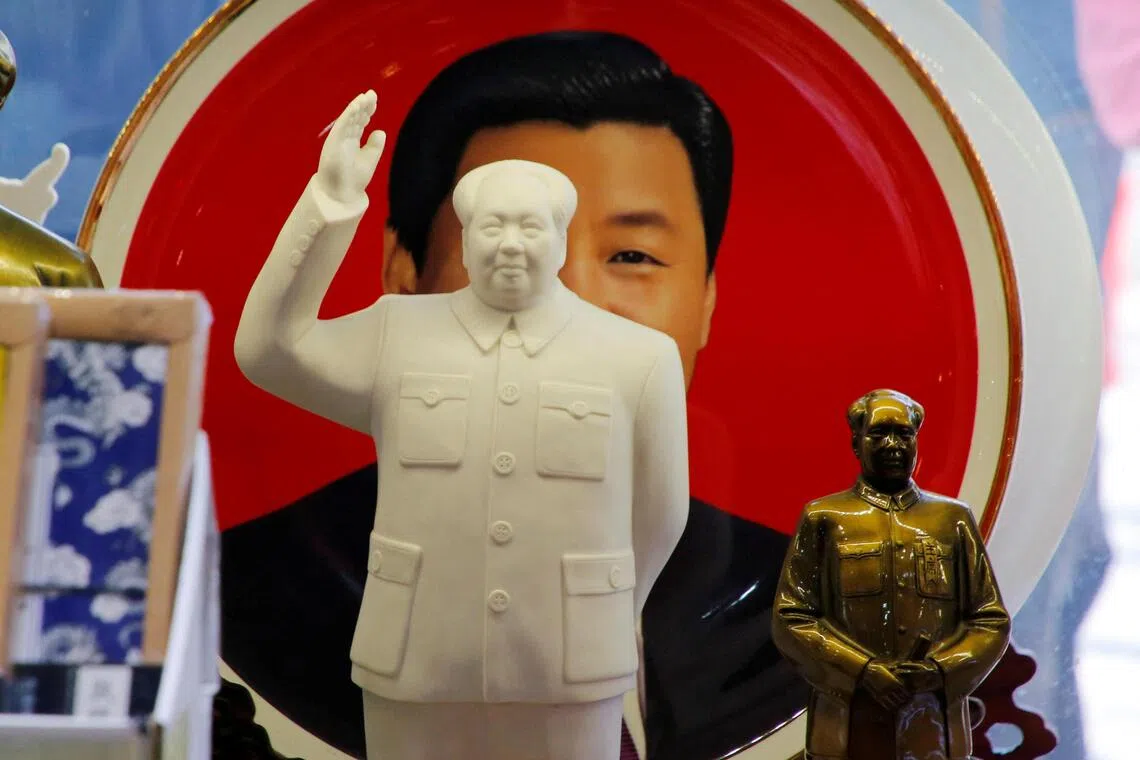
Mao Zedong's death on September 9, 1976 elicited starkly contrasting reactions across China. While many mourned the passing of the Communist Party founder, others viewed his demise as a potential reprieve from decades of ideological upheaval and social turmoil.
During his three decades in power, Mao implemented sweeping policies that transformed Chinese society, including the Great Leap Forward and the Cultural Revolution. The latter campaign, launched in 1966, unleashed widespread chaos as the chairman mobilised youth to purge perceived enemies of the revolution, resulting in millions of deaths and incalculable suffering across the nation.
Despite the passage of five decades, Mao's ideological fingerprints remain evident in contemporary China's political structures and governance philosophy. The Communist Party has carefully managed assessments of his legacy, acknowledging historical errors while preserving his position as a foundational figure in modern Chinese history.
Scholarship and public discourse surrounding this period remain sensitive within China, where official narratives continue to shape how citizens understand their recent past. The Cultural Revolution's impact on education, family structures and social trust has left psychological scars that persist across multiple generations.
For historians and policymakers across Asia, Mao's era serves as a stark reminder of unchecked authoritarian power and the long-term consequences of radical social engineering. The ongoing reckoning with this chapter of history reflects broader tensions between acknowledging past wrongs and maintaining political continuity.