World · India Bureau
Mapping India: How the nation's borders have evolved since independence
India's political geography has undergone significant transformation over seven decades, with the most recent restructuring occurring in 2019 when Jammu and Kashmir was reorganised into two separate Union Territories.
LSN India ·
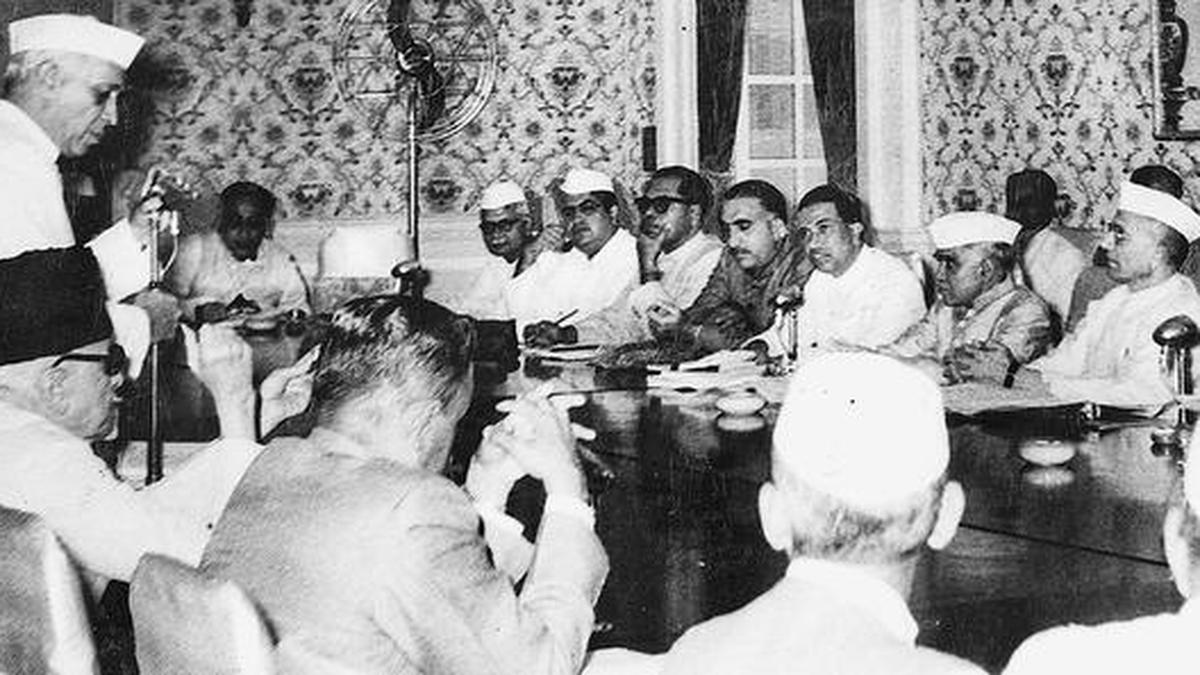
The Indian map has been redrawn multiple times since independence in 1947, reflecting the nation's efforts to reorganise its administrative divisions along linguistic and administrative lines. The States Reorganisation Commission of 1956 marked the first major overhaul, replacing the former princely states and British administrative regions with states based on linguistic boundaries. This landmark restructuring created the foundation for modern India's federal structure and established many of the states that exist today.
Over the subsequent decades, the addition of new states has reshaped India's political landscape. From the integration of Goa as a state in 1987 to the creation of Gujarat and Maharashtra in 1960, and later divisions such as Chhattisgarh, Jharkhand, and Uttarakhand in 2000, India has continuously adapted its administrative framework to better serve its diverse populations. Each reorganisation aimed to address regional aspirations, improve governance, and enhance administrative efficiency across the country's varied terrain and demographics.
The most significant recent transformation occurred in August 2019, when the Indian government reorganised Jammu and Kashmir and created the Union Territory of Ladakh. This restructuring marked a pivotal moment in India's post-independence history and represented the last major change to the nation's political map. The 2019 reorganisation underscored India's ongoing commitment to administrative refinement, though it also reflected the complex political and constitutional considerations that continue to shape the country's governance structure.