Culture & Entertainment · India Bureau
Maratha Military Landscapes Secured UNESCO World Heritage Status
A collection of 12 historic forts spanning Maharashtra and Tamil Nadu has been inscribed on UNESCO's World Heritage List, recognising the military architecture and strategic significance of Maratha-era fortifications across South Asia.
LSN India ·
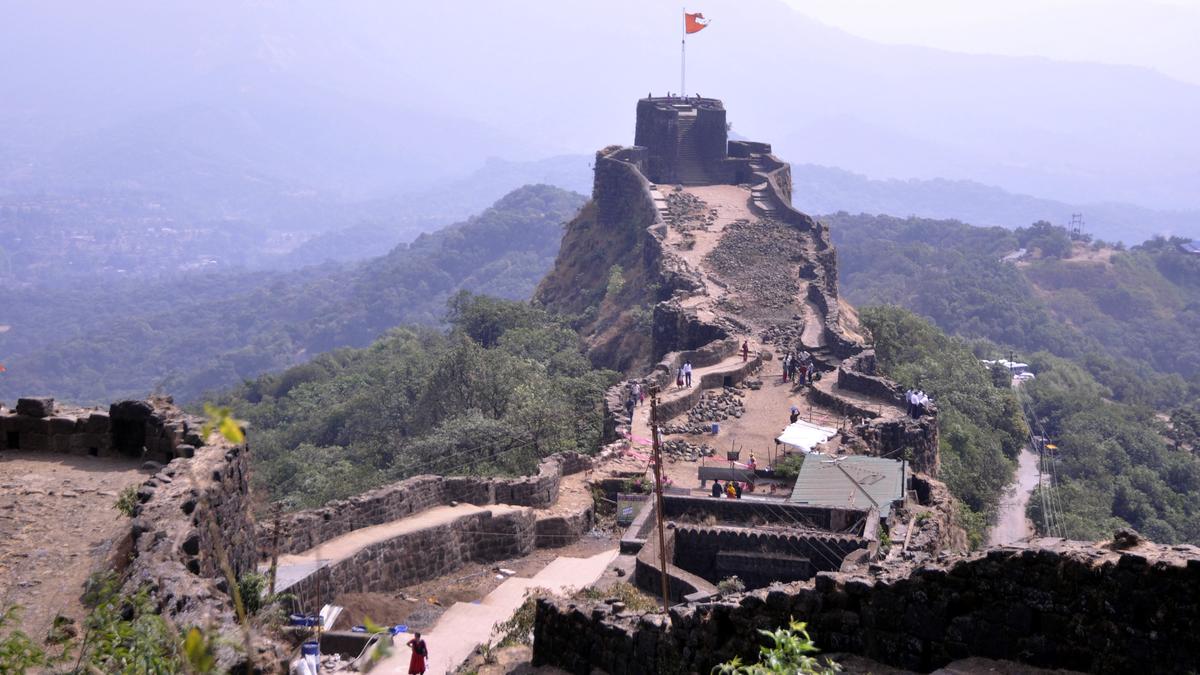
The Maratha Military Landscapes have been formally added to UNESCO's World Heritage List, marking a significant recognition of India's architectural and strategic heritage. The inscription encompasses 12 interconnected fort complexes that shaped military campaigns and regional governance during the Maratha period.
The designated sites include Salher Fort, Shivneri Fort, Lohgad, Khanderi Fort, Raigad, Rajgad, Pratapgad, Suvarnadurg, Panhala Fort, and Vijay Durg in Maharashtra, alongside Sindhudurg Fort, also in Maharashtra, and Gingee Fort in Tamil Nadu. These fortifications collectively demonstrate the sophisticated defensive systems and architectural innovation employed by Maratha rulers across multiple geographical zones.
The forts serve as tangible records of regional military strategy, territorial administration, and the evolution of fortification design in South Asia during a critical historical period. Their landscape distribution reflects both defensive necessity and the geopolitical reach of Maratha influence across the Deccan and coastal regions.
The UNESCO inscription recognises the outstanding universal value of these military complexes and underscores their importance to global heritage conservation efforts. The designation is expected to enhance preservation initiatives and draw increased scholarly and cultural attention to these fortifications, which remain prominent landmarks in their respective regions.