World · Singapore Bureau
Marawi's scars remain fresh as Philippines heads to polls
Five years after brutal urban warfare devastated the southern Philippine city, rebuilding efforts continue amid lingering security concerns ahead of national elections. The 2017 siege left deep physical and psychological wounds that still shape the region's political landscape.
LSN Singapore ·
The Philippine city of Marawi remains marked by the destruction from a five-month military campaign in 2017, when security forces engaged in intense house-to-house combat against militants affiliated with the Islamic State group. Entire neighbourhoods still bear the scars of the conflict, with hundreds of buildings reduced to rubble and thousands of residents displaced from their homes.
Reconstruction projects have progressed unevenly across the city since the siege ended in October 2017. While some infrastructure has been restored, many residents continue living in temporary shelters or relocated communities, struggling to rebuild their livelihoods and piece together their lives. The trauma of the fighting has left lasting psychological impacts on survivors.
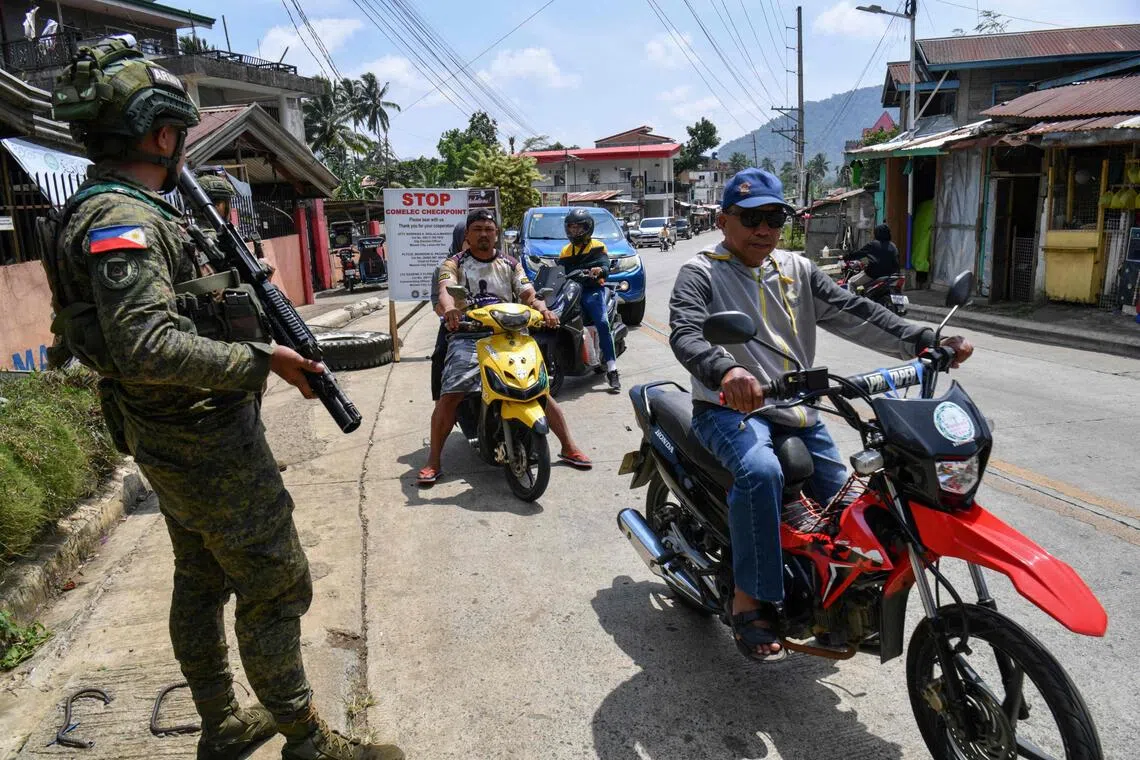
As the Philippines prepares for upcoming national elections, Marawi's recovery remains a contentious political issue. Security officials cite lingering militant threats in the region, while local leaders push for accelerated reconstruction funding and support for displaced communities. The siege demonstrated vulnerabilities in extremist recruitment in the southern Philippines and has prompted renewed focus on counter-terrorism operations.
The scale of destruction—estimated in the billions of pesos—has tested government resources and commitment to rebuilding efforts. International observers and humanitarian organisations have noted that long-term rehabilitation extends far beyond physical reconstruction to addressing the social fractures created by the conflict.