Politics · Philippines Bureau
Marcos grants schools autonomy to decide on class suspensions
President Ferdinand Marcos has signed an executive order allowing educational institutions to maintain face-to-face classes even when local officials issue suspension orders, provided their areas remain safe. The directive aims to reduce learning disruptions while prioritizing student safety.
LSN Philippines ·
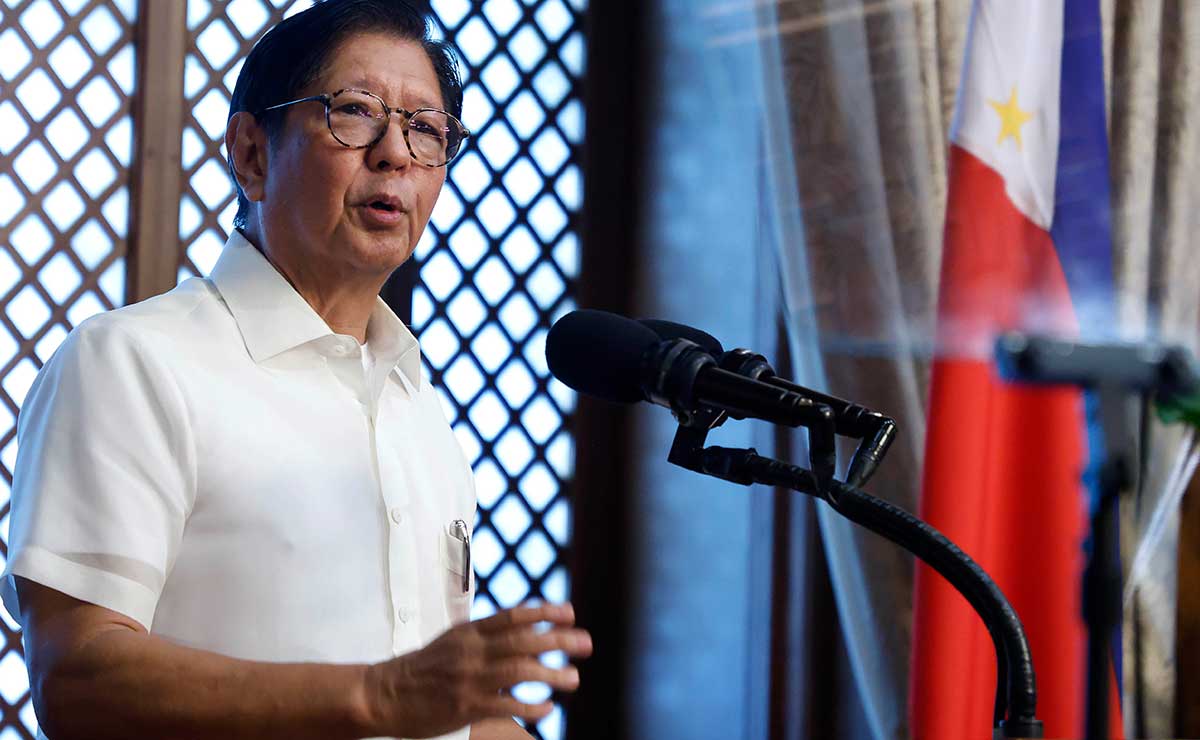
Manila — Educational institutions across the Philippines now have greater discretion in determining whether to suspend classes, under Executive Order No. 130 signed by President Ferdinand Marcos on October 28. The measure, formally published in the Official Gazette, empowers schools in cities and provinces to continue holding in-person classes despite suspension orders from local government units, so long as their respective areas are deemed secure.
The executive order reflects government efforts to minimize interruptions to the academic calendar while maintaining flexibility in response to local conditions. Schools are expected to assess safety conditions in their communities and make independent decisions regarding class continuity, rather than automatically adhering to suspension directives from local authorities.
The policy addresses longstanding concerns about the impact of class suspensions on student learning outcomes. Philippine schools have faced recurring disruptions from various factors, including severe weather events, which have led local officials to periodically suspend classes as a precautionary measure.
Under the new framework, educational institutions retain responsibility for ensuring the safety of students and staff while exercising their expanded authority. The move reflects a shift toward school-level decision-making in matters affecting academic operations, balancing administrative directives with institutional autonomy.