Politics · India Bureau
Margaret Hamilton, Apollo Programme Software Pioneer, Dies
Margaret Hamilton, the pioneering American scientist whose groundbreaking work on NASA's Apollo missions enabled humanity's first lunar landings, has passed away. Her contributions to computing fundamentally shaped space exploration and earned her international recognition, including the Presidential Medal of Freedom.
LSN India ·
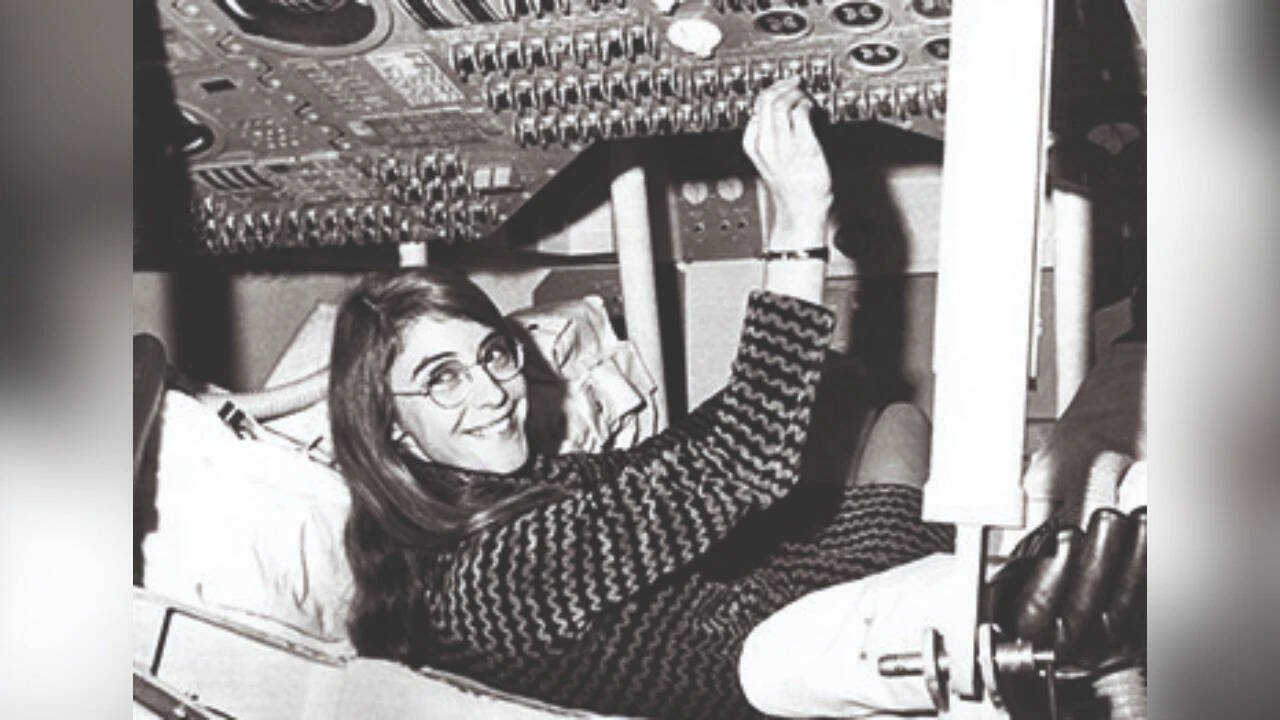
Hamilton's legacy centres on her role as the lead software engineer for the Apollo Guidance Computer, the system that steered spacecraft to the Moon and back. Working at MIT's Instrumentation Laboratory during the 1960s, she developed innovative programming techniques that ensured the reliability of critical onboard systems during some of humanity's most ambitious missions. Her meticulous approach to software design became foundational to modern computing practices.
Beyond her direct contributions to the Apollo programme, Hamilton pioneered the discipline of "software engineering" itself, a term she championed when the field was still nascent. Her work demonstrated that software development required the same rigorous mathematical and engineering principles applied to hardware, establishing standards that continue to influence the industry decades later.
Hamilton's achievements received widespread recognition throughout her lifetime. The Presidential Medal of Freedom, awarded in 2016, acknowledged her transformative impact on technology and space exploration. Her work inspired generations of scientists and engineers, particularly women entering STEM fields, demonstrating that computational science could rival physics and engineering in importance and prestige.
Her contributions remain relevant as space agencies worldwide pursue renewed lunar exploration programmes. The principles Hamilton established for mission-critical software continue to guide the development of systems for contemporary spacecraft and robotic missions, cementing her place as one of the most influential figures in the history of computing and space exploration.