World · India Bureau
Marshall Islands atolls reveal rich marine biodiversity, researchers find
A comprehensive survey of two remote Pacific atolls has uncovered thriving populations of seabirds, active sea turtle nesting grounds, and potentially undiscovered fish species, highlighting the ecological significance of the Marshall Islands' marine ecosystems.
LSN India ·
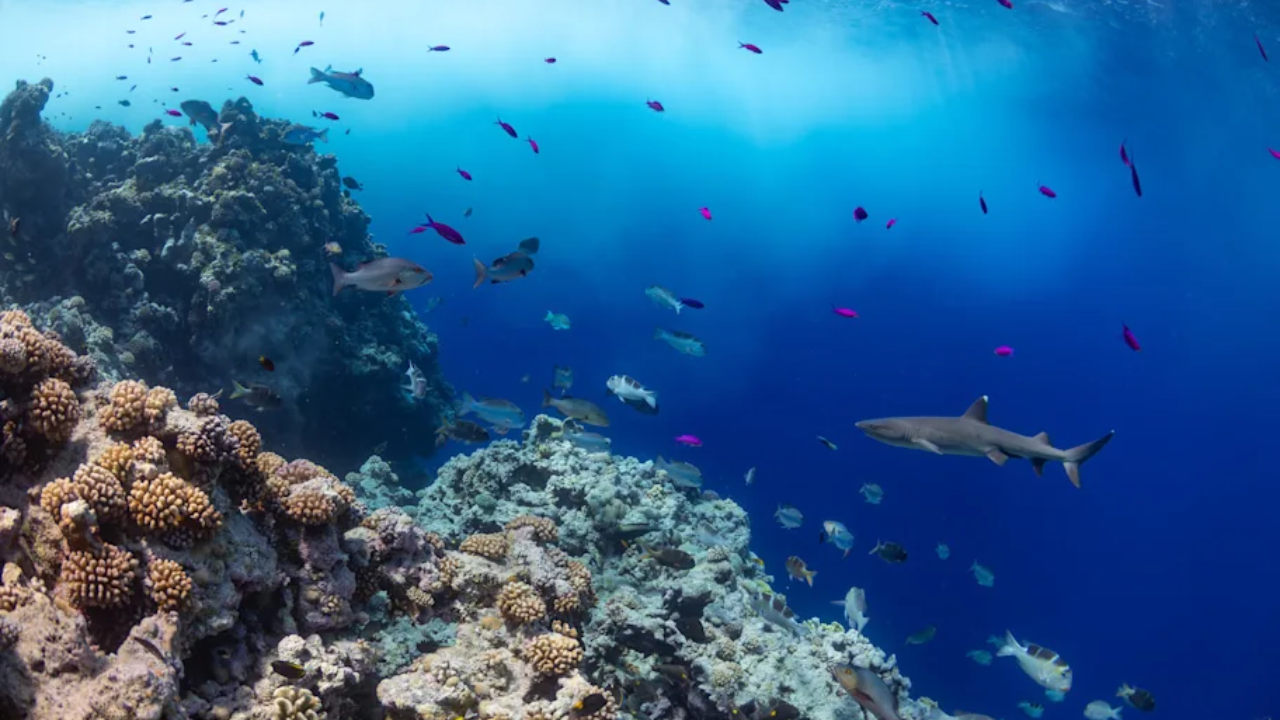
Researchers conducting an extensive biological survey of the Bikar and Bokak atolls in the Marshall Islands have documented remarkable marine biodiversity across the isolated Pacific outposts. The investigation identified 15 distinct breeding seabird species and recorded 132 active green sea turtle nests, underscoring the atolls' importance as critical breeding habitats for vulnerable marine fauna.
The scientific team documented a diverse range of fish species inhabiting both the shallow reef environments and deeper oceanic zones surrounding the atolls. Among their findings were observations of unusual fish specimens that may represent previously undocumented species, pending further taxonomic analysis and verification by marine biologists.
The discovery adds to growing evidence of the ecological value of the Marshall Islands' remote atoll systems. These isolated marine ecosystems, characterized by minimal human disturbance, continue to serve as refuge for numerous seabird colonies and provide essential nesting habitat for endangered sea turtle populations that migrate across vast stretches of the Pacific Ocean.
The comprehensive biodiversity assessment contributes to international conservation efforts focused on protecting vulnerable marine species and maintaining healthy ocean ecosystems in the Pacific region. The findings underscore the importance of preserving these remote atolls as natural laboratories for understanding marine life and as critical sanctuaries for species under pressure from climate change and human activity.