World · India Bureau
Marvel's Thor draws inspiration from ancient mythological tales of thunder god
Marvel Studios' Thor wields a powerful enchanted hammer as a central element of the superhero narrative. The weapon, however, has roots in ancient mythological traditions that predate modern comic book adaptations.
LSN India ·
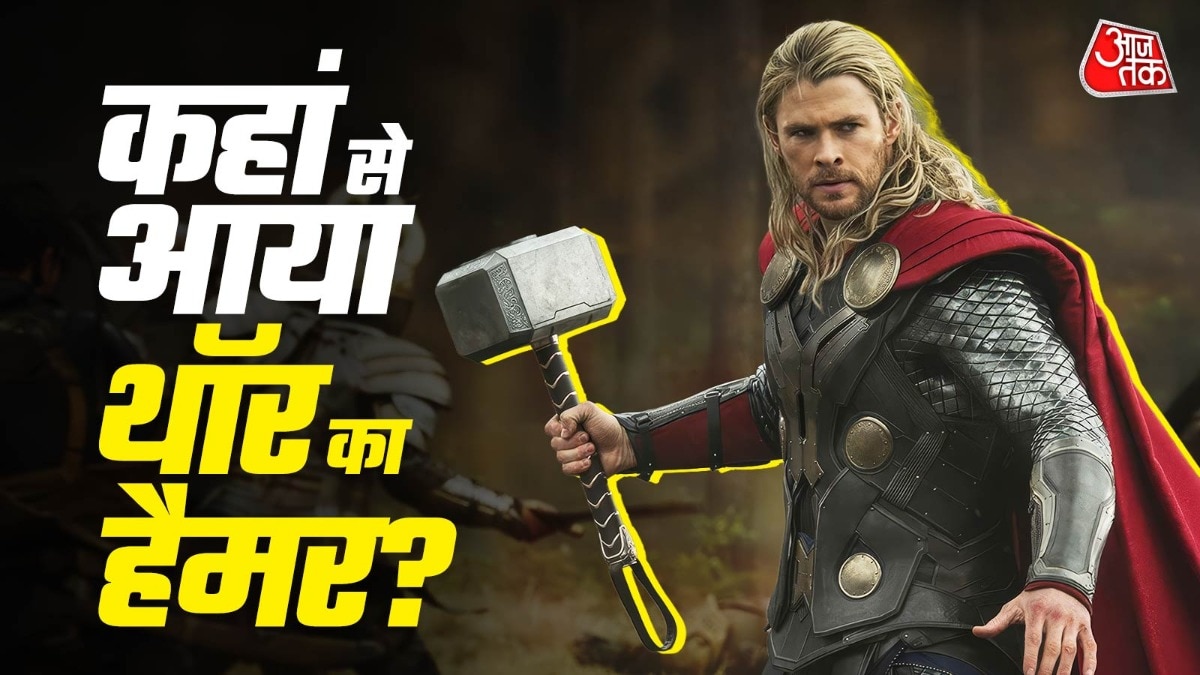
The character of Thor in Marvel's cinematic and comic universes is defined largely by his possession of a mighty hammer—a weapon of immense destructive power capable of defeating formidable adversaries. This narrative device, while integral to the contemporary superhero mythos, bears striking parallels to ancient mythological sources that have captivated audiences for centuries.
In ancient Norse mythology, Thor—the god of thunder—wielded a legendary hammer known as Mjolnir, a weapon forged by dwarven craftsmen and imbued with supernatural properties. The hammer features prominently in numerous ancient texts and oral traditions, serving as a symbol of divine power and authority. Like its Marvel counterpart, the mythological hammer was depicted as a tool of both creation and destruction, capable of leveling mountains and vanquishing giants.
Marvel's creative team adapted and significantly reimagined elements from these ancient sources to construct the modern Thor narrative. While the basic premise—a thunder deity armed with an exceptional hammer—remains consistent, the Marvel adaptation introduces contemporary storytelling conventions, expanded backstories, and interconnected universe dynamics absent from traditional mythological accounts.
The transformation reflects how modern entertainment franchises build upon cultural and historical foundations, recontextualizing ancient narratives for contemporary audiences. By grounding the superhero character in mythological tradition, Marvel achieved both narrative depth and cultural resonance that enhanced the character's appeal to global audiences familiar with Norse mythology.