World · India Bureau
Mass moth tagging yields mystery as scientists lose track of endangered species
Australian researchers have tagged over 14,000 endangered Bogong moths in a landmark conservation effort, but the failure to recapture any specimens is raising intriguing questions about the insects' true population size and migration patterns.
LSN India ·
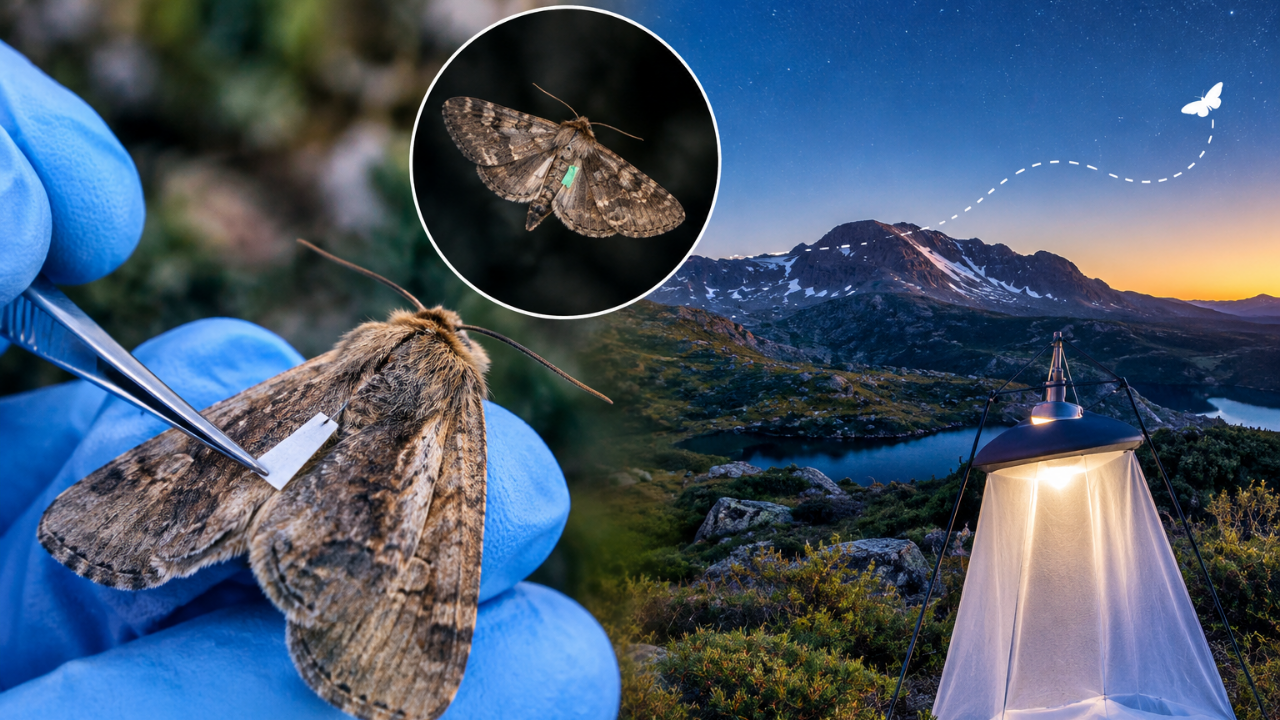
Scientists working in Australia's Snowy Mountains have completed an ambitious tagging project on Bogong moths, marking more than 14,000 of the endangered insects with paint and adhesive in a bid to understand their movements and ecology. The comprehensive study represents one of the largest insect-tracking initiatives undertaken in the region, reflecting growing concerns about the species' conservation status.
Despite extensive tracking efforts following the tagging campaign, researchers have failed to recapture any of the marked specimens. Rather than indicating a setback, however, this unexpected outcome may actually point to encouraging developments for the species' future. Scientists suggest the absence of recaptured moths could indicate that Bogong moth populations are substantially larger than previously documented, or that the insects are employing migration routes not yet identified by researchers.
The Bogong moth, which undertakes one of Australia's most remarkable insect migrations, has faced significant population declines in recent decades. The ongoing tracking project remains essential for deciphering the species' complex life cycle and understanding how environmental changes are affecting their behaviour and survival rates.
Researchers emphasize that the tagging initiative, while challenging, provides valuable baseline data for future conservation strategies. As the project continues, scientists hope to refine their tracking methodologies and gain crucial insights into why the marked moths have proven so elusive, potentially unlocking secrets about the species' resilience and distribution across the Australian landscape.