World · India Bureau
Massachusetts restores cranberry bog to protect endangered migratory trout
A former cranberry farm in Massachusetts is being restored to its natural wetland state to protect rare brook trout species that migrate between freshwater rivers and saltwater estuaries. The project aims to safeguard an entire river corridor and dozens of conservation-priority species.
LSN India ·
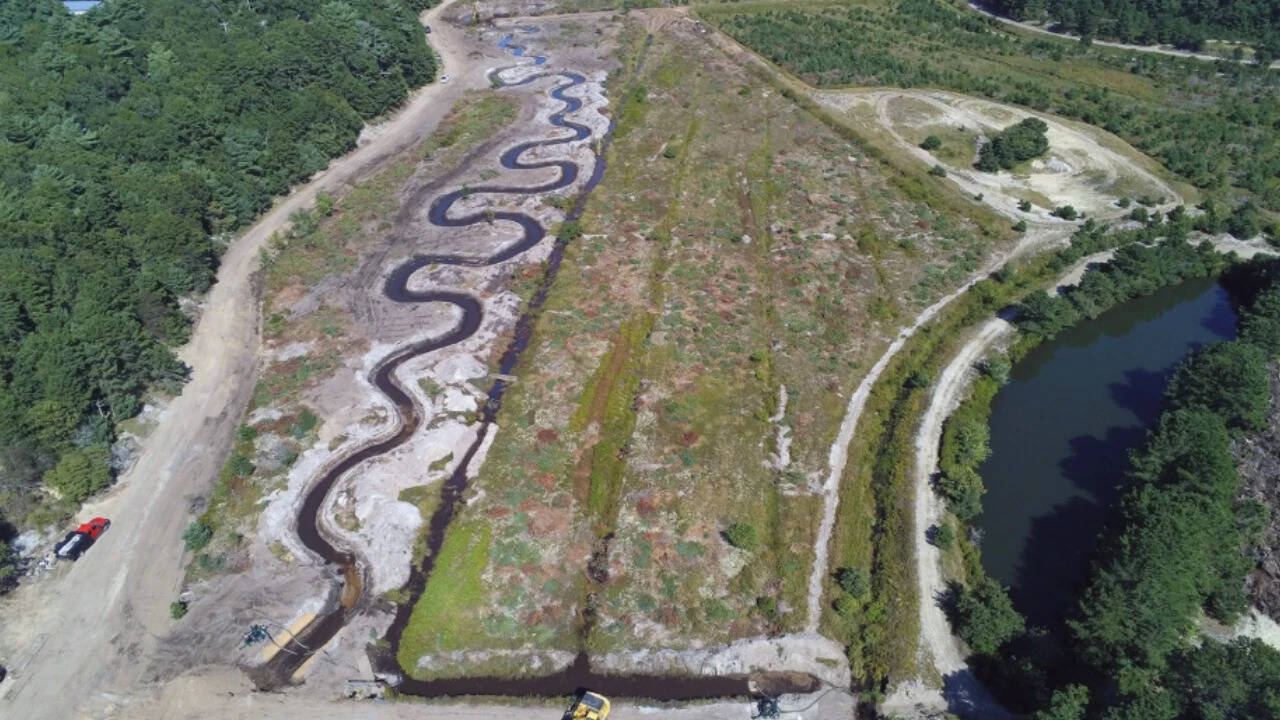
Massachusetts has embarked on an environmental restoration project to convert Century Bog, a former cranberry farm in Plymouth and Wareham, back into a functioning wetland ecosystem. The initiative aims to establish complete ecological protection for Red Brook, spanning from White Island Pond to Buttermilk Bay, a significant stretch of waterway that has been fragmented by agricultural use.
The restoration effort focuses on reviving the natural wetland habitat and reconstructing the stream channel to its historical configuration. This work is expected to benefit approximately 60 species designated as conservation priorities by state environmental agencies, reversing decades of habitat degradation caused by commercial farming operations.
A primary beneficiary of the restoration will be the brook trout population, specifically those known locally as "salters" due to their unique ability to migrate seasonally between freshwater river systems and saltwater estuaries. This migratory lifestyle is rare among brook trout and requires intact, clean waterways connecting inland streams to coastal waters. The degraded conditions at Century Bog have previously blocked or hindered these critical movements.
The project represents a comprehensive approach to watershed restoration, addressing not only the immediate wetland but also the broader hydrological connectivity of the Red Brook system. By restoring the natural water flow and vegetation patterns, state officials anticipate improved water quality and habitat stability that will support the region's biodiversity for decades to come.