World · India Bureau
Master the Art of Making Perfect Semolina Halwa at Home
Indian home cooks often struggle with semolina halwa turning either too sticky or overly dry. A few simple kitchen tricks can help achieve the light, granular texture and taste of traditional langar-style halwa.
LSN India ·
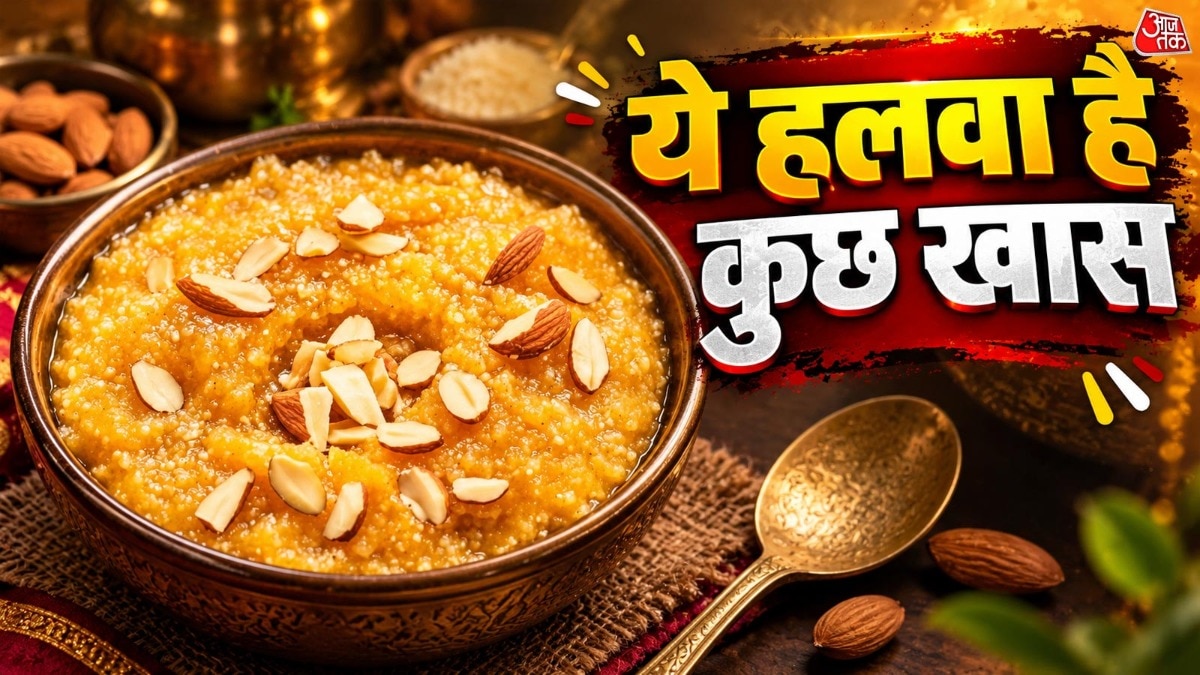
Semolina halwa, a beloved Indian dessert, remains a challenging dish for many home cooks. The common pitfalls—either an undesirably sticky consistency or an excessively dry outcome—often lead to disappointing results when attempting to recreate the smooth, granular texture achieved in traditional community kitchens.
The key to achieving the desired texture lies in proper preparation and cooking technique. Before adding semolina to the ghee or oil base, the ingredient must be roasted adequately to develop its flavor profile while preventing clumping. This roasting stage, often overlooked in hurried cooking, is crucial for preventing the semolina from becoming gummy during the cooking process.
Temperature control during cooking plays an equally important role. A moderate, consistent heat allows the semolina to cook evenly without burning or sticking excessively to the pan. Stirring at regular intervals ensures uniform cooking and prevents the formation of lumps or thick, adhesive patches.
The ratio of liquid to semolina also significantly affects the final outcome. Following traditional langar recipes typically calls for careful measurement, with the right proportion ensuring the halwa achieves that coveted granular consistency rather than a paste-like texture. Adding milk or water gradually while stirring continuously helps maintain the desired consistency throughout the cooking process.
When prepared correctly, homemade semolina halwa can rival the authentic taste and texture found in traditional community kitchens, making it a rewarding dish for home cooks willing to master these fundamental techniques.