Sport · Malaysia Bureau
Matcha's trendy appeal masks nutritional reality in fusion dishes
From beverages to savoury staples, matcha is becoming a fashionable ingredient across diverse cuisines. However, health experts warn that the vibrant green powder's presence does not automatically elevate the nutritional value of a dish.
LSN Malaysia ·
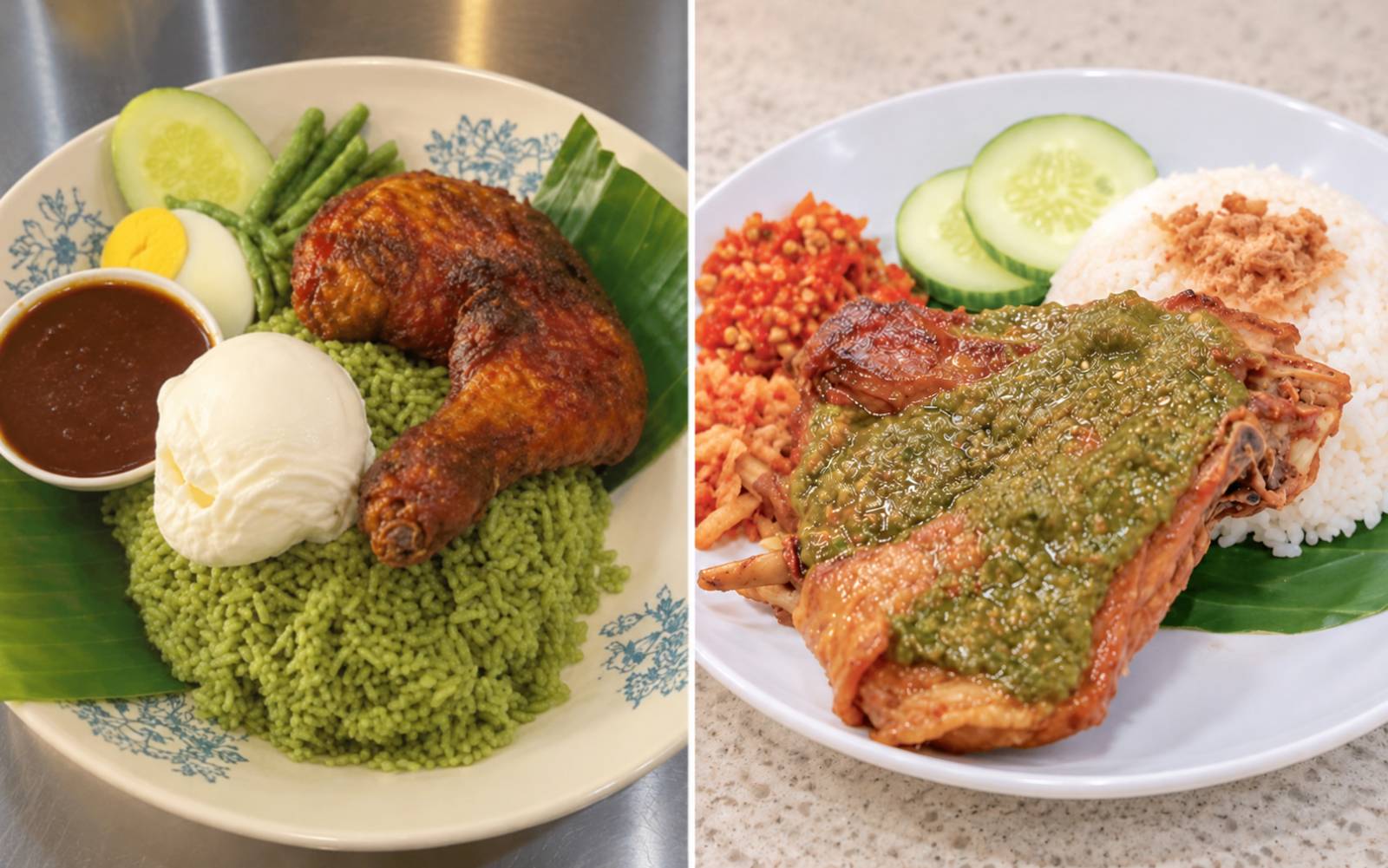
Matcha, the finely ground green tea powder originating from Japan, has transcended its traditional ceremonial roots to become a global culinary trend. The ingredient now appears in unexpected applications, from matcha lattes and desserts to unconventional savoury dishes, capitalising on its distinctive colour and perceived health benefits.
The proliferation of matcha-infused foods reflects broader consumer interest in plant-based and wellness-focused dining options. Restaurants and food manufacturers have capitalised on the ingredient's reputation for containing antioxidants and nutrients, incorporating it into dishes ranging from noodles to fried preparations across Asia.
Nutritionists caution that simply adding matcha to a dish does not fundamentally alter its overall nutritional profile. A matcha-dusted dessert or matcha-flavoured fried item may retain high levels of sugar, sodium, or fat from other ingredients. The health benefits associated with matcha—such as its antioxidant properties—are typically derived from consuming the powder in its pure form or in minimal-ingredient preparations like traditional tea.
Consumers are advised to examine complete ingredient lists and nutritional information rather than relying on single components to determine a dish's healthfulness. While matcha can contribute valuable nutrients when used thoughtfully, its presence alone should not be interpreted as an endorsement of a meal's overall nutritional value. As with any food trend, moderation and informed dietary choices remain essential considerations.