World · India Bureau
Maternal feeding habits shape children's food preferences: research
A new study suggests that mothers' feeding practices play a significant role in determining whether children develop reluctance to try new foods. Experts warn that food neophobia during childhood can restrict dietary diversity and compromise nutrition during critical growth phases.
LSN India ·
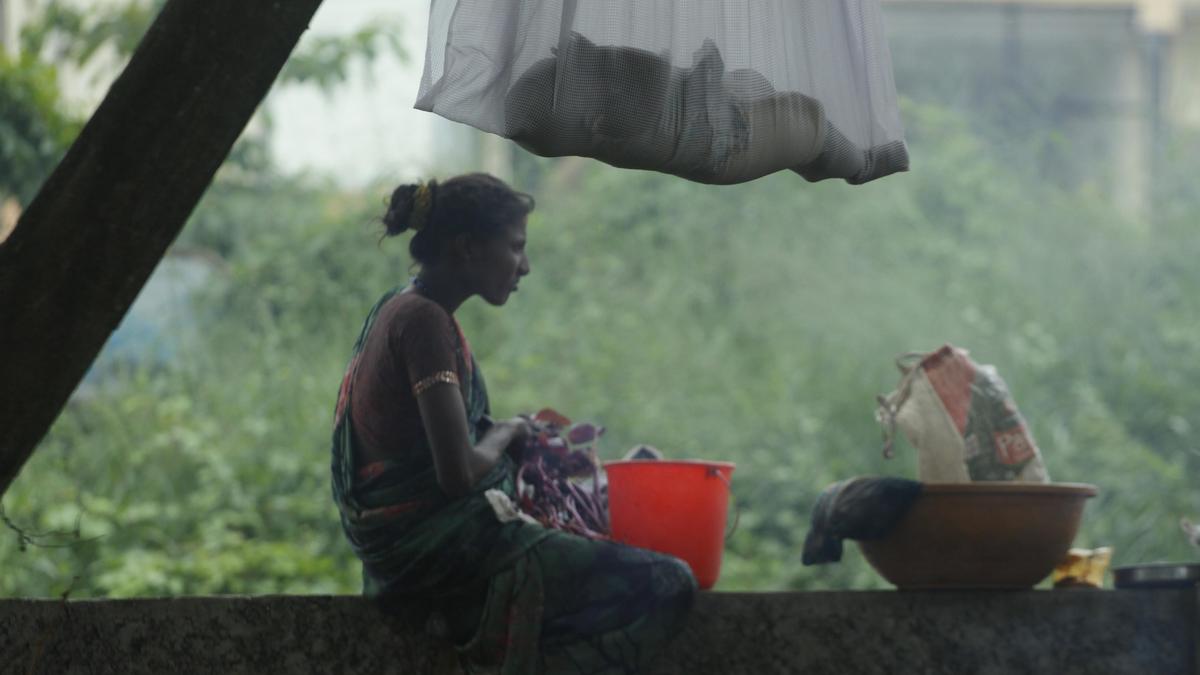
Researchers have identified maternal feeding practices as a key factor influencing food neophobia—children's aversion to unfamiliar foods—with potential implications for long-term nutritional outcomes. The findings underscore the importance of early dietary exposure in establishing healthy eating patterns during formative years.
Food neophobia can significantly limit the variety of foods children consume, potentially creating nutritional gaps during periods of rapid physical and cognitive development. When children avoid new foods, they may miss out on essential micronutrients and macronutrients necessary for optimal growth and health outcomes.
The research highlights that parental feeding strategies, including how often new foods are introduced and how they are presented, can either encourage or discourage children from exploring diverse dietary options. Experts suggest that understanding these maternal influences could inform nutritional interventions aimed at expanding children's food acceptance.
Healthcare professionals and nutritionists emphasize that addressing food neophobia early through supportive feeding practices may help establish more varied and balanced diets in childhood, with lasting benefits extending into adolescence and adulthood. Parents and caregivers are advised to introduce new foods gradually and persistently to help children overcome initial resistance.