Technology · World News Bureau
Mazda brings wire harness production home with robot-friendly redesign
Japanese automaker Mazda is reshoring wire harness manufacturing by fundamentally redesigning the component for robotic assembly. The strategic shift reflects broader industry efforts to automate labor-intensive production previously outsourced to lower-cost markets.
LSN World News ·
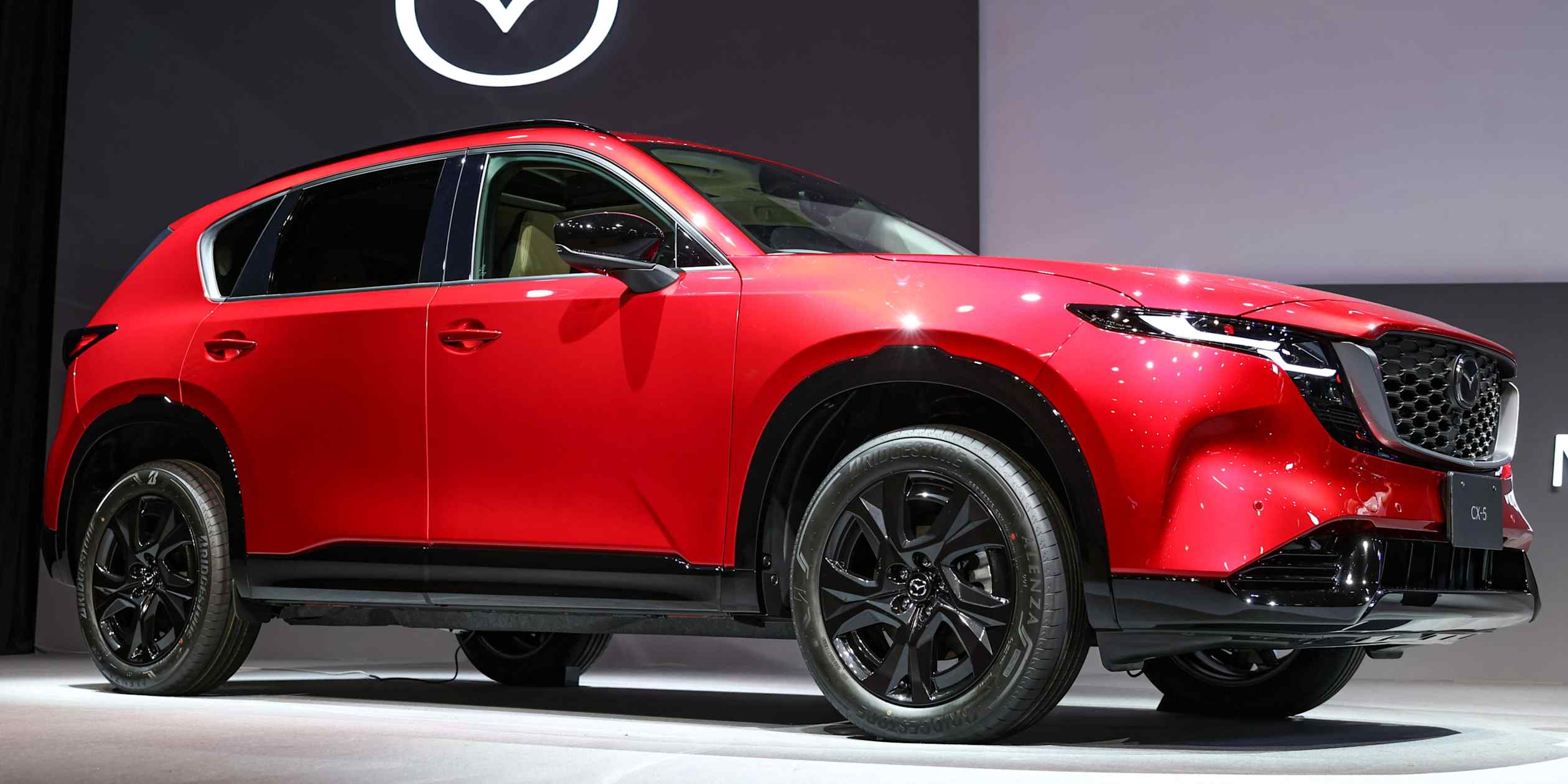
Mazda has initiated a manufacturing shift that brings wire harness production back to Japan by engineering the components specifically for automated assembly rather than manual labor. The automotive supplier has long outsourced this intricate work to countries with cheaper labor costs, but the company is now reconsidering that model through technological innovation.
The redesigned wire harnesses are being engineered to facilitate robotic handling and assembly, eliminating many of the delicate manual operations that previously required skilled workers in overseas facilities. This approach allows Mazda to maintain competitive production costs while reducing dependence on distant supply chains, a concern that has grown acute since the COVID-19 pandemic disrupted global logistics networks.
The reshoring initiative reflects a broader trend among Japanese manufacturers reconsidering their global production footprint. Rising labor costs in traditional outsourcing destinations, supply chain vulnerabilities, and advances in automation technology are prompting companies to reconsider domestic production for certain components. By fundamentally rethinking product design around robotic capabilities, manufacturers can achieve cost parity with overseas operations while gaining greater control over quality and delivery timelines.
The success of Mazda's wire harness project could signal a turning point for automotive suppliers in Japan and other developed economies seeking to resurrect domestic manufacturing through design-led automation strategies rather than competing solely on labor costs.